When Donald Trump claims the US has a historic deal to control 65bn barrels of Venezuela oil reserves, the global energy market holds its breath, and for good reason. For the Indian marketing and advertising community, this isn’t just a headline about geopolitical posturing; it is a signal of how energy prices, fuel logistics, and the subsequent inflation of operating costs for brands might shift in the coming months. We have spent years watching energy prices dictate the viability of supply chain logistics, and any major shift in the flow of crude oil from South America directly impacts the bottom line of every major conglomerate relying on shipping and distribution.
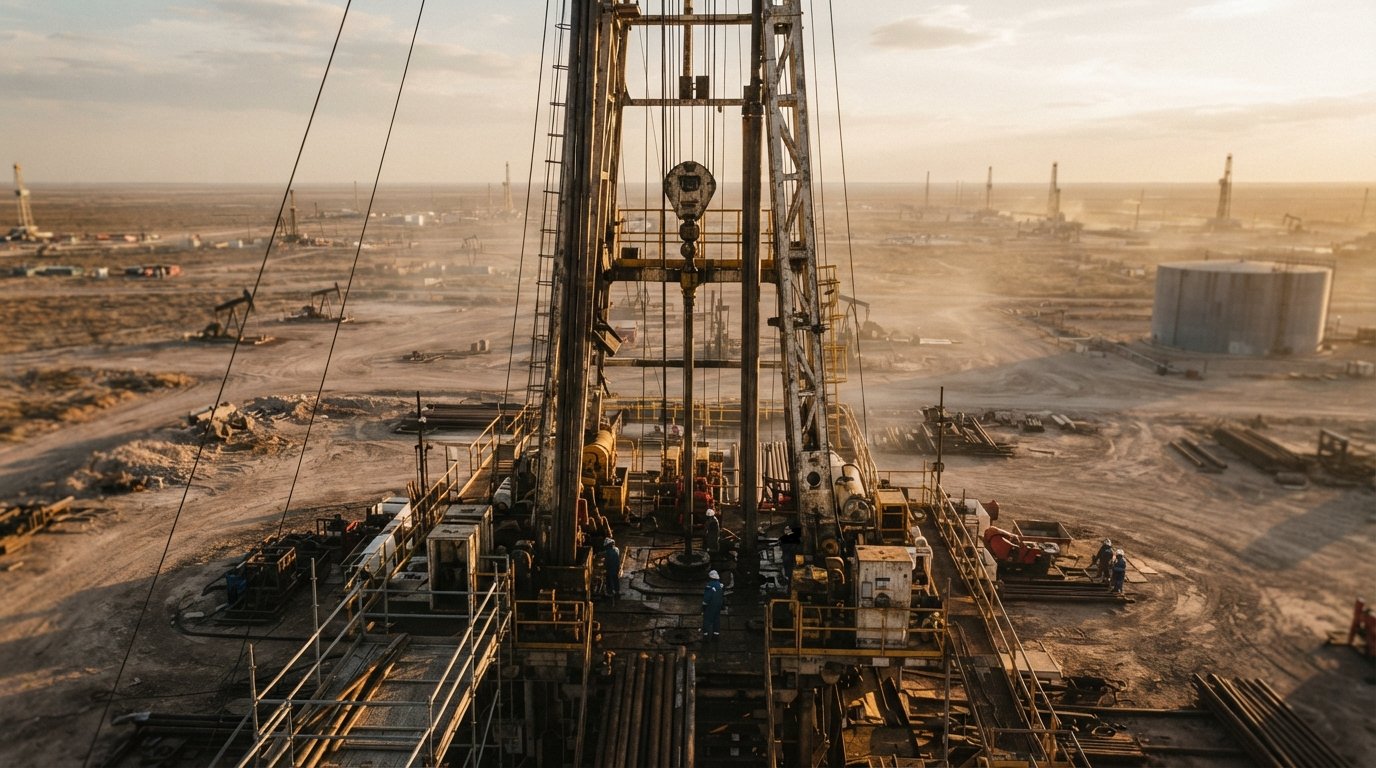
The announcement has sparked a firestorm of speculation regarding the feasibility of such a deal. Venezuela sits atop the largest proven oil reserves in the world, yet its infrastructure has been gutted by years of sanctions, mismanagement, and underinvestment. From a strategic communications standpoint, Trump’s messaging relies heavily on the promise of energy dominance. However, the reality on the ground requires more than just political willpower. To move those 65bn barrels into the global market, we are talking about a massive, multi-year mobilization of drilling technology, port restoration, and legal frameworks that currently do not exist.
For Indian marketers, the critical takeaway here is volatility. When global leaders make bold claims about resource control, the immediate effect is a surge in market anxiety. Brands that have been struggling with thin margins due to rising freight and input costs must now account for how this news ripples through the commodities exchange. If this deal materializes, it could theoretically put a ceiling on rising fuel costs, offering a sliver of relief for brands heavily reliant on logistics. But if it proves to be mere rhetoric, the resulting disappointment could drive up premiums on risk-sensitive commodities.
We need to look past the political veneer and consider the brand identity implications. Energy companies and transport firms are now in a position where their PR teams must navigate a very specific landscape: balancing the promise of cheaper energy against the intense environmental and human rights scrutiny that accompanies any association with Venezuelan crude. If a brand pivots its logistics strategy toward a cheaper supply chain fueled by this potential influx of oil, they might find themselves in a moral crossfire that their customer base is increasingly vocal about.
The broader narrative of Venezuela oil reserves is one of untapped potential locked behind a wall of geopolitical complexity. For an audience in India, which relies heavily on imported energy, this is a matter of macroeconomic survival. Every time an advertisement promotes ‘competitive pricing’ or ‘same-day delivery’ in the Indian retail sector, those promises are tethered to the price of a barrel of oil. When those prices become the focal point of a US presidential promise, it changes the entire ecosystem of regional marketing spend.
We have to ask if this is truly about a shift in global power or just another layer of political theater designed to capture attention before an election cycle. The claim of control over 65bn barrels is staggering, but the technical execution is a logistical nightmare that even the most efficient energy giants would take years to master. Marketers should focus on the mid-term trends rather than the daily headlines. Plan for a scenario where energy prices remain unpredictable and focus your campaigns on building brand equity that isn’t solely dependent on discount pricing, as the underlying cost of goods sold is about to get a lot more interesting.
Finally, keep an eye on how US energy corporations respond to this announcement. If the big players start moving into Caracas with heavy equipment, that is your indicator that the deal is real. Until then, treat this as a signal that the global energy market is going to remain a primary variable in your quarterly budget planning. Real marketing requires looking at the inputs that make your business possible, and right now, those inputs are being shaped in the halls of power, thousands of miles away from our local markets.