
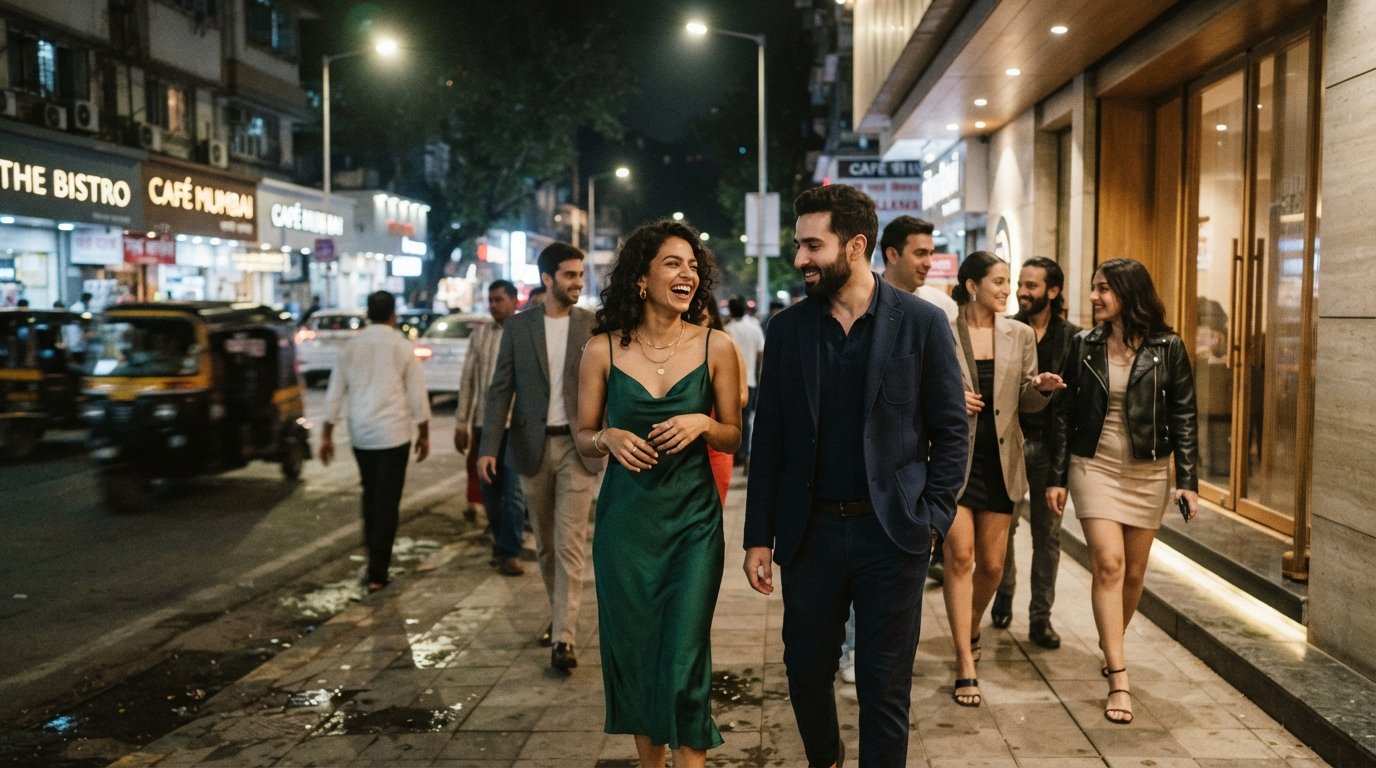
When we analyze the landscape of contemporary Indian media, the ongoing fascination with Malaika Arora and the enduring celebrity endorsement power remains a masterclass in organic visibility. Whether it is a high-profile party, a public appearance with a partner, or a simple social outing involving family, the sheer volume of discourse generated by these moments reveals a reality that brands often struggle to manufacture: the total convergence of personal narrative and public interest. While traditionalists might argue that pure product-led marketing is the gold standard, the reality is that the public is far more invested in the human story, making every public move a micro-campaign in its own right.
We see this cycle play out in real-time. When a celebrity is spotted at a restaurant or an event, the media ecosystem—ranging from legacy outlets like Aaj Tak to millions of independent gossip accounts—shifts into high gear. This is not just news; it is the currency of the attention economy. For marketers, the lesson is clear: consumers are not just buying into a product, they are buying into an lifestyle archetype. When Malaika Arora hits the headlines, it is not merely because of the specific event, but because her personal brand has become a persistent variable in the Indian cultural equation. This type of visibility is almost impossible to quantify, yet its value to the brands she associates with is astronomical.
Consider the contrast between a sterile, high-production ad campaign and the candid, paparazzi-captured image. The former often faces a wall of skepticism. The latter, however, bypasses the defensive shields consumers put up against traditional advertising. By remaining relevant through personal milestones and public social interactions, the influencer effectively keeps their brand top-of-mind without ever needing to air a television commercial. It is a form of passive brand equity that thrives on consistency. In a fragmented digital market where attention spans are measured in milliseconds, the ability to command a headline by simply showing up is the ultimate marketing goal.
The challenge for modern brands is to leverage this, or at least understand it, without overstepping. When a personality is the product, the line between authentic living and strategic posturing blurs. We have seen countless instances where forced collaborations felt hollow because the public perceived a lack of synergy between the person and the platform. True influence is not about the volume of posts; it is about the integration of the personality into the audience’s daily narrative. The public doesn’t just want to see the product; they want to see the person using it in a context that mirrors the high-stakes, glamorous life that they have been conditioned to admire through constant media exposure.
Furthermore, the democratization of celebrity news via digital channels means that the narrative is no longer controlled solely by PR firms. It is now a collaborative effort between the star, the paparazzi, and the hyper-engaged fan base on social media. This decentralized feedback loop forces a higher level of agility. If a brand wants to capture the essence of this celebrity endorsement power, they must move away from rigid, multi-month planning cycles. Instead, they should focus on creating moments that feel as inevitable as an organic social sighting. It is about speed, cultural relevance, and the willingness to let the consumer decide the direction of the story. While many agencies are still stuck in the era of controlling the message, the current market reality is that the message is already out of your hands; the only choice left is how well you align with the existing momentum.
Ultimately, the industry is witnessing a pivot toward personality-driven commerce where the celebrity is not just the face of the brand, but the anchor of the lifestyle. Whether it is through traditional media coverage of their social lives or strategic partnerships, the result remains the same: a captive audience that is already primed to engage. Brands that fail to recognize this intersection of personal drama and marketing impact are missing the most effective lead generation tool currently available. It is time to look beyond the spreadsheet and start paying attention to the way actual lives are driving the metrics that matter most in the modern Indian market.