Winning awards in 2026 isn’t about having the biggest budget or the flashiest celebrity endorsement. It’s about being invisible until you’re needed. The latest crop of high-impact campaigns proves that the gap between a brand and a customer isn’t closed by loud messaging; it’s bridged by quiet, hyper-precise automation that feels less like a script and more like a conversation.
We have moved past the era where ‘personalisation’ meant swapping a name field in a cold email. Today’s winners are using real-time behavioral data to orchestrate entire brand journeys that shift on a dime. If a user hits a landing page but doesn’t convert, the backend doesn’t just show them the same banner ad for the next week. It adjusts the creative, the offer, and the channel priority within seconds based on a predicted intent score. This isn’t just efficiency; it is a fundamental shift in how we value a customer’s time.
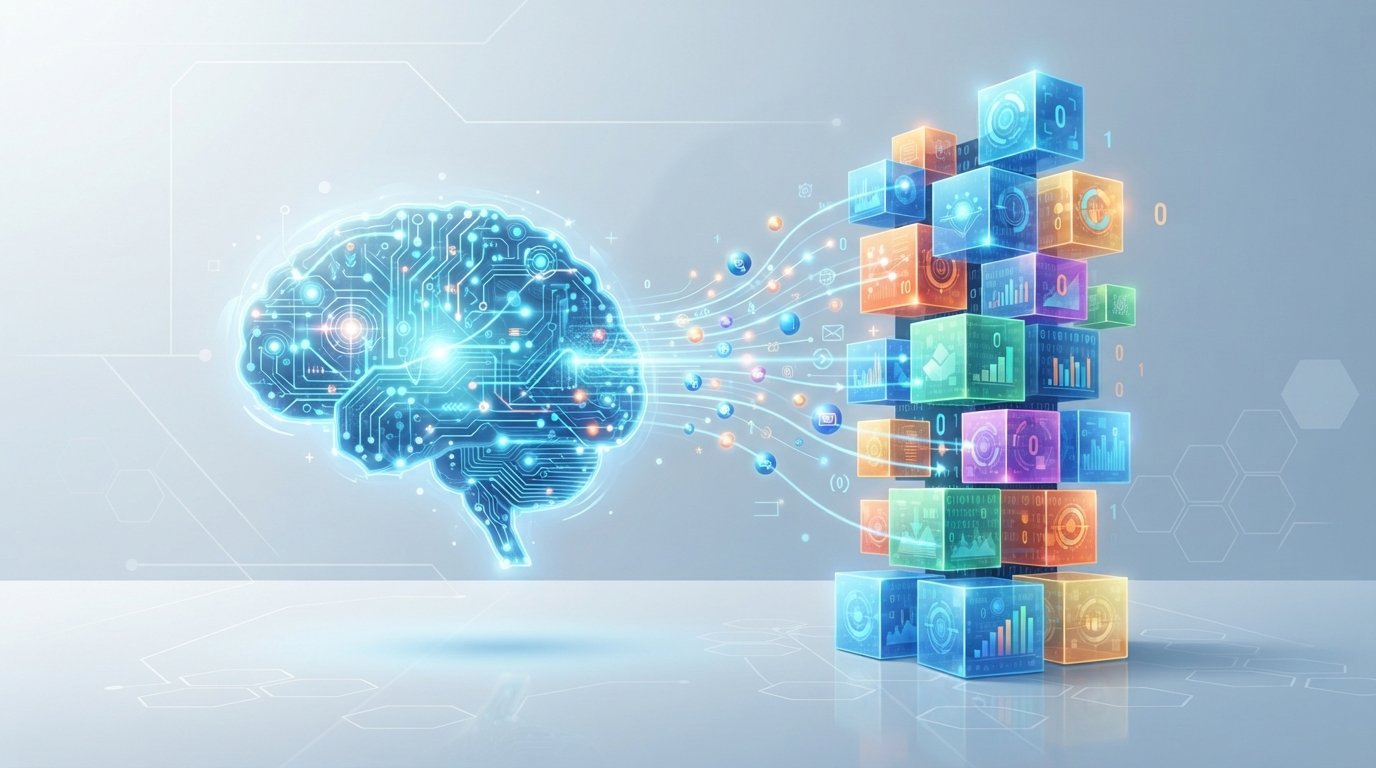
Yet, there is a dangerous complacency setting in. Many marketing teams are buying expensive tech stacks and letting them run on autopilot, assuming the ‘AI’ label makes it foolproof. It doesn’t. Looking at the data from the most recent industry accolades, the campaigns that actually moved the needle shared one trait: human oversight over algorithmic output. They didn’t let the machine dictate the creative direction. Instead, they used the machine to handle the heavy lifting of segmentation while the human team focused on the nuance of the brand voice.
Automation is no longer a luxury. It is the baseline. When your competitors are using generative tools to iterate on thousands of ad variations in the time it takes you to write a single campaign brief, you aren’t just behind; you are invisible. But don’t mistake activity for progress. The winners in 2026 are using these tools to identify niche behavioral patterns that humans would never spot, then using those insights to build campaigns that feel startlingly intimate.
The criticism here is straightforward: we are dangerously close to a ‘sameness’ trap. Because so many marketers are training their models on the same data sets and using the same foundational LLMs, the output is starting to feel derivative. Truly successful campaigns are now those that inject a deliberate, messy, human element back into the loop—a surprising hook, a bold stance, or a piece of high-quality creative that feels intentional rather than generated.
We are entering a phase where the winners will be the brands that master the balance. Use the machines to do the math. Use the humans to do the magic. If you can bridge those two worlds without letting the tech drive the car, you might just win a trophy. If you let the algorithm decide your strategy, expect nothing more than a race to the bottom of the engagement metrics.