
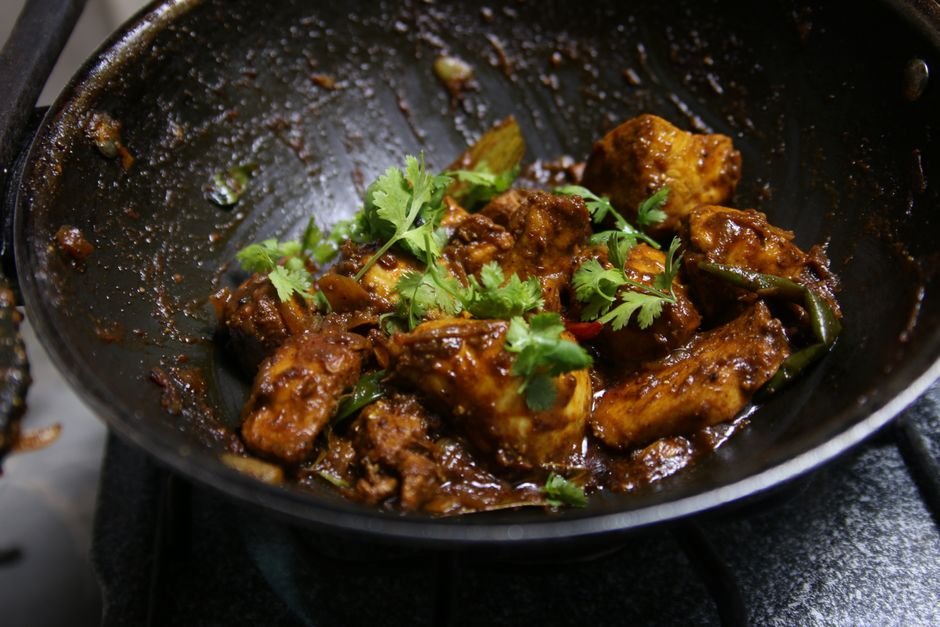
When we talk about influencer-led food trends, we usually think of elaborate plating or viral hacks. But every so often, a dish like Andhra style baingan chutney breaks through the noise by being genuinely useful, not just aesthetic. Recently, actor Ashwini Kalsekar shared her take on this recipe, and it caught fire because it solves a universal problem: how to make boring, everyday meals interesting without spending two hours in the kitchen. For a marketing professional, this isn’t just a recipe; it is a masterclass in how regional authenticity beats high-production polish every single time.
The recipe itself is deceptively simple. It uses besan (gram flour) and chana dal, staples found in every Indian household, to create a texture that shifts the humble brinjal from a mushy side dish to something with real bite and depth. It is exactly the kind of “zero fluff” content that sticks. While brands are currently burning through budgets trying to manufacture viral moments with high-end CGI and elaborate sets, influencers are winning by showing their audience how to cook a piece of charred vegetable in a pan. There is a lesson here about accessibility. When content feels achievable, people share it. When it feels like an aspiration, they just scroll past.
Marketing in India has been leaning heavily into the “premiumization” narrative, but consumer behavior tells a different story. People are tired of performative luxury. They want recipes that remind them of home or their grandmother’s kitchen. Andhra style baingan chutney works as a hook because it is regional, grounded, and inherently trust-building. It doesn’t ask the consumer to buy a fancy gadget or an expensive spice blend. It asks them to use what they already have. In the world of social media, that kind of low-barrier entry is exactly what drives high engagement numbers.
Think about the last time you saw a food brand perform well on social. It wasn’t the slickly produced ad with the perfect lighting; it was likely a short, raw video of someone making something that looked legitimately delicious. Ashwini Kalsekar didn’t need a professional lighting crew to make this recipe pop. She needed an authentic connection to a regional flavor profile that resonates with millions. For brands, the takeaway is clear: stop over-producing. Your audience is smarter than you think, and they are bored with the sanitized, corporate-approved versions of reality.
There is a specific kind of frustration that comes with eating the same rotation of dal and vegetables every week. It happens in every household. By tapping into this pain point, the recipe positions itself as a solution. It is functional content. In marketing terms, functional content is the holy grail. It creates a habit, and habit-forming content is the bedrock of long-term brand loyalty. If you can provide a solution that improves the quality of a consumer’s daily lunch, you have earned a level of trust that a 30-second pre-roll ad can never buy.
We need to stop looking at recipes like this as mere distractions and start seeing them as data points. They indicate what the modern Indian consumer is actually craving—simplicity, flavor, and a sense of belonging. The success of this specific dish suggests that the market is swinging back toward regional roots. If you are a brand manager or a content strategist, you should be asking yourself why your latest campaign didn’t get this kind of organic traction. The answer likely lies in the lack of real, human touch.
Ultimately, making an Andhra style baingan chutney is about taking something common and giving it a distinct character. That is exactly what good marketing should do. It shouldn’t be about hiding the product behind buzzwords or complex jargon. It should be about highlighting the utility and the flavor of the core offer. If the product is good, and the story is authentic, you don’t need a massive ad spend to make it move. Sometimes, all you need is a bit of heat, a few spices, and the confidence to keep it simple. As we look ahead, the brands that win will be the ones that stop selling the dream and start helping with the dinner.