
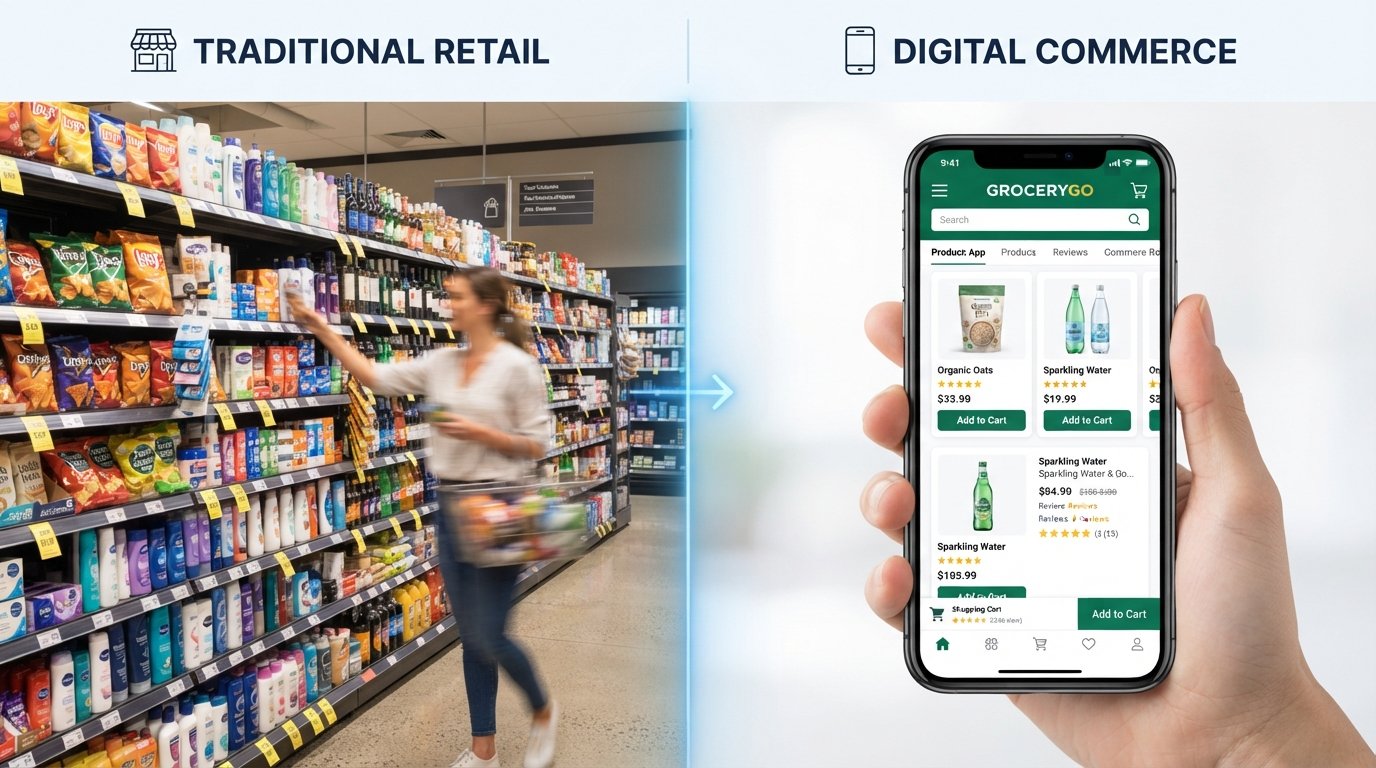
Emami is setting an ambitious target. The FMCG heavyweight wants to turn its D2C portfolio into a ₹750-800 crore business. It is a bold, albeit predictable, pivot. For a company historically built on the strength of BoroPlus and Navratna, moving into the agile world of digital-first brands isn’t just a pivot; it’s an admission that shelf space in a kirana store is no longer the only battlefield that matters.
Harsha V. Agarwal, the vice chairman and managing director, isn’t hiding the strategy. The company is actively moving toward brand-led growth, effectively trimming the fat of smaller, underperforming ventures while pouring resources into what works. They have already cleared house by pruning their D2C presence, a smart move in an era where investors are tired of subsidizing low-margin growth. By focusing on a lean portfolio, Emami is essentially trying to run a startup’s race with an incumbent’s budget.
The shift highlights a glaring reality in the Indian FMCG sector. Legacy players are terrified of being outflanked by nimbler, digital-native brands that capture consumer data, iterate products in weeks, and bypass distributors entirely. Emami’s attempt to reach an 800-crore milestone is their answer to the ‘Mamaearth effect.’ It is an attempt to stay relevant to a younger, more fickle demographic that values niche benefits over mass-market promises.
However, the skepticism remains. Building a D2C brand requires a different DNA than managing a legacy supply chain. While Emami has the capital to acquire, integrating these brands into a corporate structure that is used to high-volume, low-margin distribution is where things usually go sideways. Most legacy giants struggle to maintain the ‘cool factor’ once a brand is absorbed into the mother ship. The challenge here won’t be funding the growth—it will be protecting the identity of these D2C brands as they scale.
This isn’t just about launching a website or running some Facebook ads. It is about data-driven product development and a fundamental shift in how they view the customer journey. If Emami manages to hit that 800-crore mark, it will serve as a blueprint for every other century-old consumer giant currently watching their market share migrate to Shopify stores and quick-commerce apps. Whether they can actually execute without stifling the very brands they’ve bought remains the billion-dollar question.