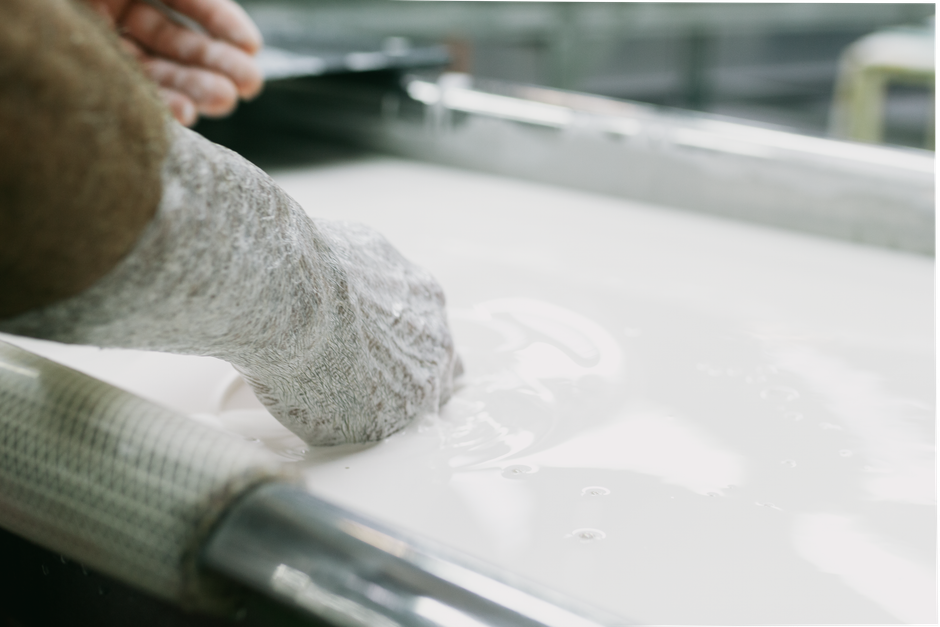
Godrej opens Asia’s largest soap factory in Madhya Pradesh, signaling a massive bet on India’s mass-market consumption story. Located in the industrial corridors of the state, this facility isn’t just another manufacturing unit; it’s a strategic pivot toward reclaiming dominance in the highly competitive FMCG sector. For marketers and industry observers, the sheer scale of this plant serves as a tangible reminder that in India, physical distribution and localized manufacturing remain the ultimate power plays, even as the conversation in boardroom meetings remains perpetually hijacked by digital-first trends.
When a legacy giant like Godrej Consumer Products invests this heavily in a single manufacturing hub, it’s not merely about operational efficiency. It is a signal to every competitor that the battle for the bathroom shelf is shifting. The economics of soap are simple: it is a low-margin, high-volume game where proximity to the consumer decides the final price point. By setting up this massive plant, the brand is essentially tightening its supply chain to ensure that logistics costs don’t eat into the already razor-thin margins of their mass-market portfolio. The move underscores that while D2C brands chase niche audiences online, the real volume remains in the vast, price-sensitive heartland.
This Godrej soap factory represents more than just industrial capacity. It represents a hedge against supply chain volatility. With the FMCG sector facing constant pressure from raw material cost fluctuations, controlling the production environment at this scale provides a buffer that smaller players simply cannot match. From a branding perspective, this is a statement of intent. It tells the trade partners, the distributors, and the kirana store owners that supply will never be an issue. In a market where stockouts are the death knell for consumer loyalty, this level of investment is a masterclass in market protectionism.
There is also an interesting geographical angle here. Madhya Pradesh is becoming a preferred destination for large-scale manufacturing due to better connectivity and land availability. For a brand that thrives on deep penetration, tapping into central India allows for a more efficient distribution radial compared to legacy hubs in coastal cities. This is a subtle yet crucial shift in their brand strategy. They aren’t just selling soap; they are optimizing the entire lifecycle of the product to ensure that when a consumer reaches for a bar of soap, the Godrej version is both available and competitively priced.
Observers might argue that legacy firms are often criticized for moving slowly. However, this project proves that when they do move, they carry the weight of an elephant. While digital marketers spend hours obsessing over CPCs and CTRs, the folks at this facility are dealing with the reality of thousands of tons of product moving across the country. It’s a grounded, unglamorous, and absolutely necessary side of marketing that often gets forgotten in the glitz of social media campaigns. You can have the best influencer on the planet, but if your product isn’t on the shelf, your campaign is just an expensive noise.
Looking at the broader FMCG landscape, this expansion fits into a larger trend of domestic giants doubling down on their core strengths. The era of massive, centralized production plants seems to be evolving, but for soap—a product that needs to be everywhere, all the time—centralization at this scale remains the gold standard. It is a blunt instrument of market dominance. Whether this translates into significant market share growth remains to be seen, but the sheer intent is enough to make competitors reconsider their own production footprints.
Ultimately, this facility is a reality check. It reminds us that at the end of the day, marketing is a business function meant to support the sale of physical goods. The growth of this Godrej soap factory serves as a reminder that the most sophisticated marketing plan in the world is useless without a bulletproof supply chain. As the industry leans further into data, it’s refreshing to see a move that relies on the classic fundamentals: capacity, distribution, and price competitiveness. The market will soon judge if this massive investment was the right move, but for now, it’s the biggest story in the soap industry.