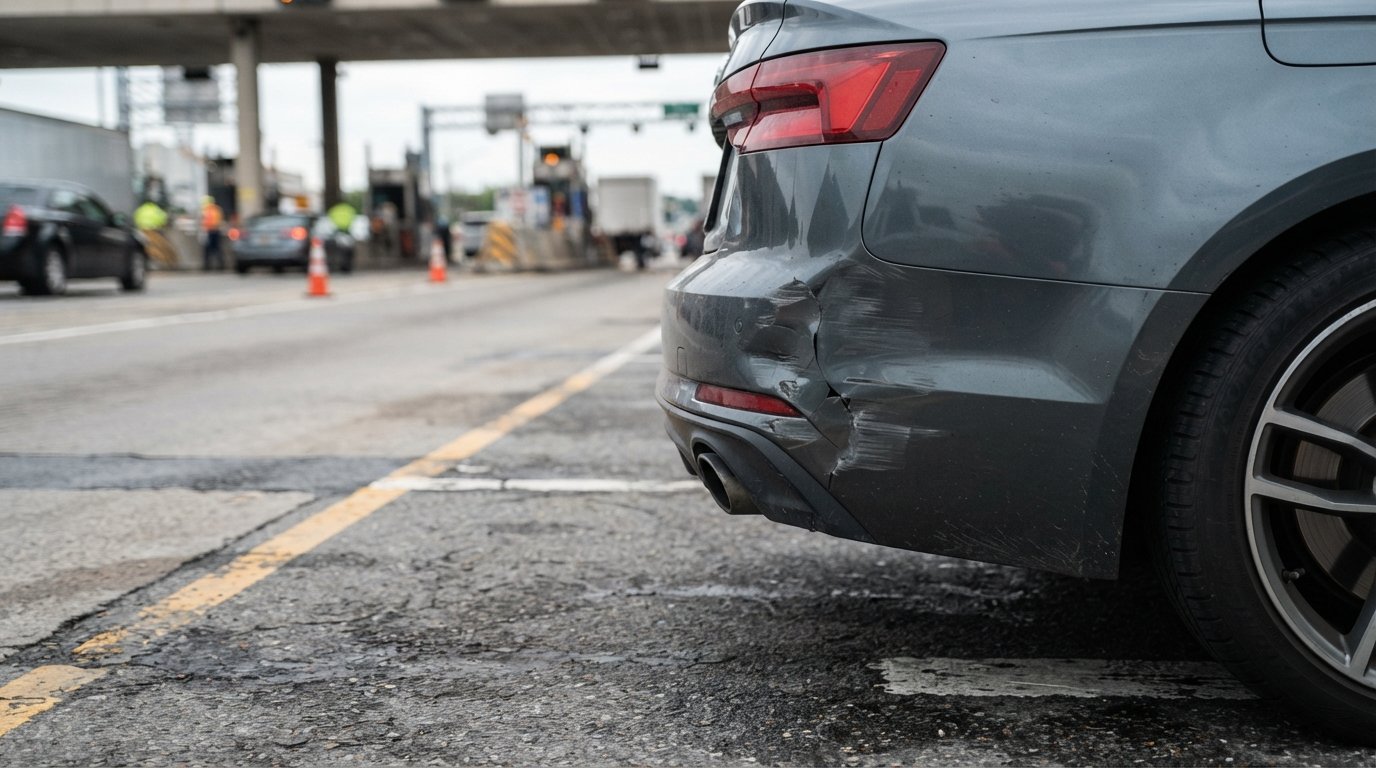
When news broke that a Great Khali accident occurred on the Panipat toll plaza while he was commuting to Sonepat, the initial reaction across social media was one of collective anxiety followed by rapid relief. For a public figure of his stature—both literal and metaphorical—any incident involving travel, a vehicle, and a crowded highway serves as a high-stakes test of crisis management and audience perception. While the reports confirmed that the WWE star remained safe and unharmed, the situation serves as an unintended masterclass in how personal branding and digital proximity shape the narrative of a modern celebrity.
We live in an era where the boundary between a private commute and a public spectacle has vanished. For brand managers, the Great Khali accident offers a cold, hard look at the speed of information. Within minutes of the incident, the news wasn’t just being reported by legacy outlets; it was being dissected on local social media channels, WhatsApp groups, and video-sharing platforms. This immediate visibility is why crisis communication in the influencer economy is no longer about managing a press release. It is about managing the visual narrative before the audience decides what happened themselves.
Consider the logistical reality of someone like The Great Khali. His physical presence makes him a magnet for attention, whether he is in a ring or inside a passenger vehicle. This visibility is exactly what makes such incidents prone to sensationalism. When a public figure is involved in a road mishap, the narrative can quickly spiral from a simple traffic issue to a viral story about negligence or road safety. In this instance, the quick clarification regarding his safety was essential. It prevented the vacuum of information that typically leads to wild speculation. For any brand or high-profile individual, the lesson here is simple: speed beats accuracy only when you are the primary source of truth.
Marketing professionals often spend millions trying to craft a relatable persona. Yet, it is in moments of vulnerability—like being stuck at a toll plaza following an incident—where the actual connection with the audience is solidified. The audience saw a human being navigating a routine, albeit unpleasant, traffic situation. This ‘humanization’ is a potent, if accidental, marketing tool. It bridges the gap between the larger-than-life character seen on television and the person sitting in a car on a highway in Haryana. The Great Khali accident reminds us that even when things go wrong, the manner in which the event is communicated becomes the defining feature of the brand.
Beyond the personal narrative, there is an inescapable takeaway about regional relevance. The fact that this happened near a major transit hub highlights how much of the influencer and celebrity economy is grounded in local, real-world geography. Brands often focus on digital reach, yet this story traveled via the very roads and toll gates that form the infrastructure of our daily lives. There is a tangible quality to this event that a polished, pre-produced advertising campaign simply cannot replicate. It creates a ‘water cooler’ moment that feels authentic because it is rooted in a relatable, albeit dramatic, human experience.
As we analyze the fallout, it is worth noting how quickly the sentiment shifted from concern to relief. This emotional transition is the holy grail for any PR professional. If a brand finds itself in a negative situation, the objective should always be to pivot the conversation back to the wellbeing of those involved. By ensuring the focus remained on safety, the situation avoided becoming a tragedy-focused spectacle. It highlights the maturity that comes with managing a long-term public image. One does not just ‘market’ to the public; one maintains a presence that the public feels invested in, even when the news is as mundane and frightening as a highway collision.
Ultimately, the incident serves as a reminder for all of us in the marketing and media space that the most influential content isn’t always the kind you pay for. It is the content that forces people to pause, check on the wellbeing of a public figure, and reflect on their own day-to-day existence. Whether it was the sheer scale of the vehicle involved or the simple fact of a familiar name hitting the headlines, this story held our collective attention. We should take this as a cue to stop over-complicating our campaigns and start considering the raw, human stories that connect us all. The digital age hasn’t changed human nature; it has only made the consequences of our everyday lives more visible to everyone, everywhere.