
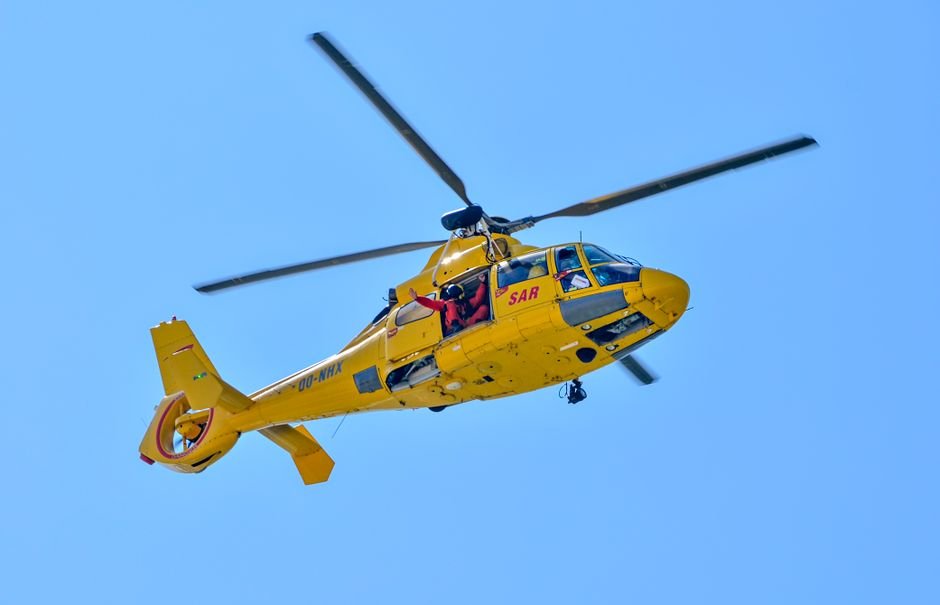
The unfolding Nepal flood crisis has left over 275 Indians missing and 108 rescued, a tragic reminder that natural disasters do not respect borders or business operations. While this is primarily a humanitarian emergency, it forces a hard conversation within the Indian corporate communications and marketing fraternity about how brands should calibrate their tone, ad spends, and social media presence when a regional neighbor is in deep distress. As rescue operations involving the Indian Air Force continue, the silence—or the lack thereof—from major brands in the region is becoming a focal point of public scrutiny.
For marketing leaders, these moments represent a critical juncture in brand strategy. We often talk about ‘purpose-led marketing,’ but that concept usually falls apart the moment a crisis hits. Many agencies find themselves paralyzed, paralyzed by the fear that any outbound communication will appear tone-deaf or insensitive. When reports emerge that hundreds of people are unaccounted for, the programmatic ad spend currently running on digital platforms can suddenly look like a massive mistake. If your brand is pushing a ‘summer sale’ or a high-energy beverage campaign while search-and-rescue teams are scouring riverbanks, the disconnect is immediate and potentially damaging to your brand equity.
The Nepal flood crisis demands a pivot that most marketing playbooks fail to provide. In the past, companies might have simply pulled their ads for 48 hours and resumed business as usual. Today, that isn’t enough. Social media audiences are far more attuned to brand hypocrisy. If you have a presence in the affected border regions or if your supply chain relies on these corridors, a generic ‘thoughts and prayers’ post feels hollow. Instead, there is a requirement for operational transparency and genuine contribution. Brands that have moved beyond the fluff have started deploying their own logistics networks to help with relief efforts, or at the very least, they have paused all promotional content without drawing attention to their own ‘benevolence.’
We need to address the sheer scale of the information gap here. In the absence of a coordinated public response from many corporate entities, the vacuum is being filled by speculative social media chatter and panicked updates. Brands that hold the attention of millions have the power to amplify verified information from official sources like the Ministry of External Affairs. Yet, most CMOs shy away from this, fearing the political implications. This is a missed opportunity for brand leadership. By acting as a channel for vital information rather than just a commercial megaphone, a brand can build authentic trust that no amount of influencer marketing can buy.
Looking at the data, the impact on regional marketing and supply chain logistics is substantial. The destruction of physical infrastructure in Nepal and parts of North India disrupts trade routes that are essential for many FMCG and retail brands. Marketing teams need to be in constant contact with their operations side to ensure that they aren’t pushing demand for products that simply cannot be delivered due to blocked roads and destroyed bridges. There is nothing worse for customer satisfaction than a confirmed order for a product that is stuck in a flood-ravaged zone, with zero communication from the brand as to why the delay is happening.
Furthermore, the media landscape is currently saturated with news of the tragedy. Media buyers should be questioning the efficacy of their current placements. Is your brand being served next to heartbreaking footage of rescue operations? If so, the psychological impact on the consumer is going to be negative, and that negative sentiment will inevitably transfer to your brand. This is where real-time, context-aware ad serving is supposed to function, yet we still see banner ads for luxury items appearing on pages detailing the recovery of missing persons. It is time to treat the Nepal flood crisis with the seriousness it deserves by manually auditing ad placements and ensuring that your brand doesn’t end up being the wrong voice at the wrong time.
Ultimately, this disaster is a stress test for corporate social responsibility. The marketing departments that win this week aren’t the ones that launch clever campaigns; they are the ones that step back, assess the reality on the ground, and ensure their brand’s presence is helpful rather than intrusive. The goal isn’t to look good; the goal is to be present in a way that respects the gravity of the situation. When the dust settles and the waters recede, people will remember which brands acted with dignity and which ones continued to spam them with notifications while families were searching for their loved ones. Choose your path wisely.