
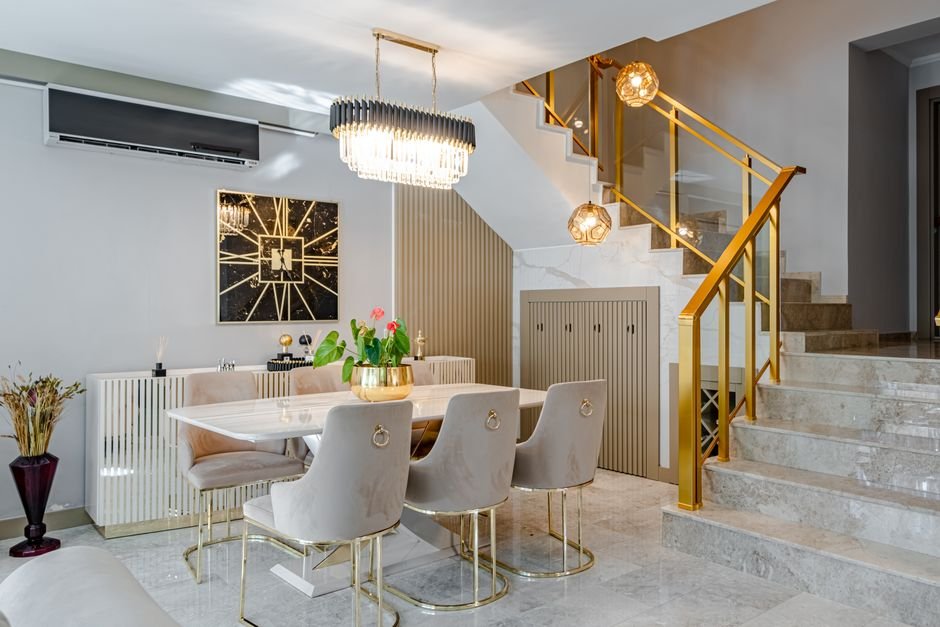
When we talk about the evolution of the Indian consumer, we often look at data sets, conversion funnels, and digital touchpoints, but we rarely stop to consider how traditional belief systems continue to dictate household behavior. It is fascinating to observe that even as urban families adopt modern kitchen aesthetics, many still cling to ancient guidelines regarding where they consume their meals. These vastu tips eating habits represent a deeply ingrained psychological barrier—or perhaps a preference—that brands in the FMCG and home interior sectors would do well to respect. When a publication suggests that eating in specific, traditionally frowned-upon areas could lead to financial misfortune, it isn’t just a religious post; it is a signal of a cultural trend that influences how families interact with their dining spaces.
Marketing professionals often suffer from a blind spot when it comes to the intersection of ancient wisdom and modern living. We tend to assume that convenience—eating on the couch, working while nibbling at a desk, or grabbing a bite in the kitchen corner—is the universal standard. However, the viral nature of content advising against these behaviors suggests otherwise. Consumers are increasingly seeking order in their domestic lives. For a brand selling dining tables, kitchen modular systems, or even health-conscious food products, there is an opportunity to align communication with these sensibilities rather than dismissing them as mere superstition. If your customer base is actively searching for guidance on where to place their dining table to avoid bad luck, your ad creative needs to pivot away from purely ‘minimalist’ tropes and toward ‘meaningful’ living.
Consider the impact on the furniture market. If a consumer believes that eating in the bedroom causes stress or financial loss, they are likely to invest more in a high-quality, dedicated dining set. Companies that manufacture modular kitchens are already tapping into this by emphasizing the ‘flow’ and ‘energy’ of a workspace. This is not just interior design; it is behavioral marketing. When brands speak the language of their customers’ traditional values, the trust threshold drops significantly. We see this often in the regional vernacular markets where trust is built on shared cultural understandings rather than cold, hard performance metrics. The resistance to eating in unconventional spots is a proxy for the desire to maintain a disciplined, harmonious home environment.
There is a skeptical side to this, of course. Critics might argue that such beliefs are archaic and hold back progressive interior design. Yet, from a marketing perspective, being ‘right’ is less important than being ‘relevant.’ If you are running an ad campaign for a premium dining table, acknowledging the importance of a designated, auspicious eating space can be the difference between a high click-through rate and being scrolled past. It is about understanding the household ecosystem. People want their homes to be sanctuaries, and if that means following traditional placement rules to feel more secure or prosperous, they will follow those rules with religious fervor.
Looking ahead, we are likely to see more ‘conscious home’ content gaining traction. This doesn’t just apply to Feng Shui or Indian traditional studies. It applies to how we define the boundaries of our living space. For the digital-first marketer, this is a reminder that data should always be cross-referenced with human behavior. You might have the best targeting algorithm, but if your messaging conflicts with the fundamental, non-negotiable comfort zones of your audience, your ROI will suffer. The next time you plan a campaign involving the modern Indian home, ask yourself if you are truly speaking to the way they live, or just how you want them to live. Respecting these boundaries might just be the most effective way to reach the modern, yet traditionally rooted, Indian consumer.