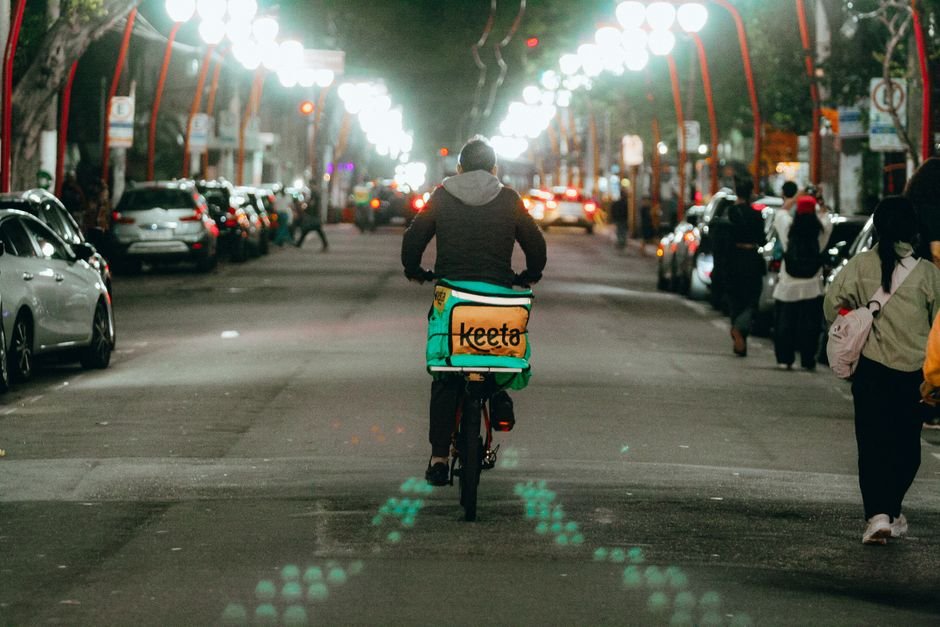
When a routine delivery turns into a flashpoint for social unrest, the entire landscape of public perception shifts overnight. The recent incident in Mumbai where a delivery executive threw eggs at a Ganesh procession serves as a stark reminder of how Mumbai communal tension can derail brand reputation in an instant. For marketers and logistics companies operating in high-density urban environments, this event is not just a police matter—it is a cautionary tale about the intersection of gig-economy operations and sensitive local sentiments. When an individual in uniform commits an act that alienates a massive demographic, the brand they represent immediately finds itself in the eye of a reputational storm.
We live in an era where the last mile is the face of the brand. Consumers no longer distinguish between the platform and the person on the bike. When a delivery agent acts out, the brand absorbs the blow, regardless of whether the action was an official policy or a rogue personal outburst. In this specific case, the individual was reportedly frustrated by the delay caused by the festivities. While frustration is human, the expression of it in such a polarized atmosphere carries massive consequences. Marketing teams must now grapple with how to train a fleet that is increasingly disconnected from the core values of the corporate office, yet serves as the primary touchpoint for millions of users.
The rapid escalation of this situation highlights a growing volatility in our metropolitan centers. Marketing professionals have traditionally leaned on the idea that “logistics is invisible,” but that is no longer true. Every worker is now a brand ambassador, and their private actions have public-facing consequences. If the brand management strategy doesn’t account for the potential of Mumbai communal tension disrupting daily operations, it is essentially planning for failure. We are looking at a scenario where corporate messaging can be completely negated by one misguided action on a street corner during a high-stakes cultural event.
Consider the logistical reality: Mumbai is a city of constant movement, where festivals and processions are deeply woven into the fabric of daily life. Any company relying on a distributed, gig-based workforce needs to implement better cultural sensitivity training. It isn’t just about efficiency metrics or delivery times anymore. If your brand is seen as an outsider that lacks respect for local customs, you risk losing the very market you are trying to serve. This isn’t just about bad PR; it is about the fundamental disconnect between algorithmic management and the messy, unpredictable reality of human geography.
Furthermore, the reliance on digital platforms to handle service complaints often falls flat when real-world triggers occur. When an incident like this occurs, the reactive response from a social media team is usually insufficient to quench the fire. The public demands accountability. They want to know what the brand stands for and how it intends to prevent its representatives from engaging in disruptive behavior. When brands ignore these incidents or provide generic, hollow apologies, the brand equity craters. Consumers are becoming increasingly adept at spotting corporate posturing versus genuine structural change.
The takeaway for the industry is clear: brand protection now requires a hyperlocal strategy. It is not enough to have a national policy on conduct. Companies must equip their regional teams with the tools to anticipate friction points. In a city like Mumbai, where the pulse of the streets is dictated by community events and tradition, ignoring the local context is a massive liability. The incident underscores that brand loyalty is fragile. It can be built over years of consistent service but dismantled in seconds by a single, inflammatory action. The gig economy prides itself on speed, but speed without cultural awareness is a recipe for disaster. As we move forward, the most successful brands will be those that prioritize local integration and sensitivity as highly as they prioritize their bottom line. If we don’t learn from these street-level explosions, we are simply waiting for the next crisis to hit our feeds, dragging our brand reputation into the gutter with it.