
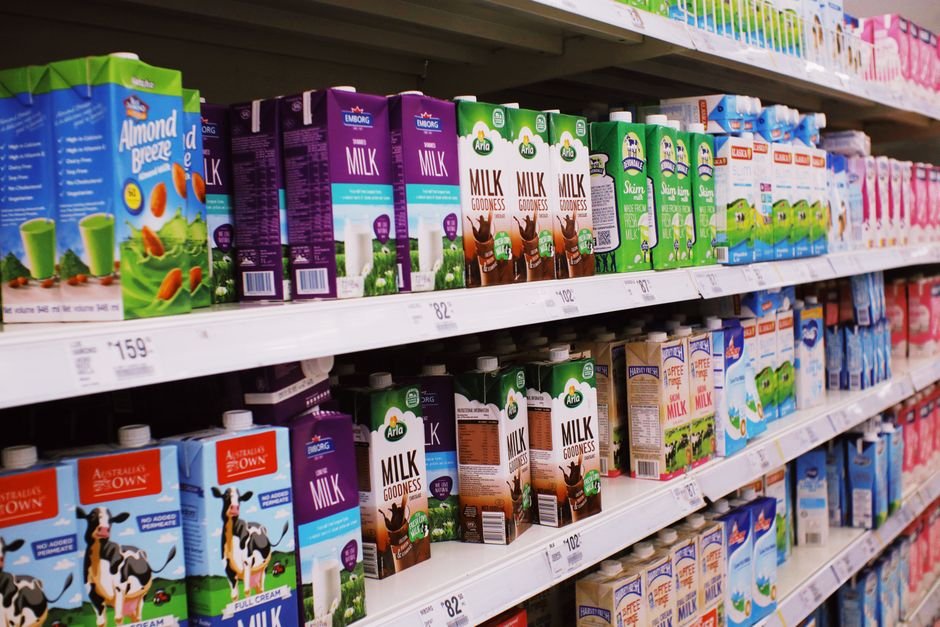
The upcoming Mumbai milk price hike is not just another line item in the household budget; it is a signal of shifting consumption patterns that every marketer in the FMCG space needs to watch closely. Starting September 1, residents of India’s financial capital will find themselves shelling out 102 rupees for a liter of milk. While the headline figures focus on the impact on the kitchen table, the real story here is the narrowing room for error for brands operating in the staples segment. When a commodity as fundamental as milk hits a triple-digit price point, consumer loyalty often takes a backseat to extreme price sensitivity, forcing even the biggest players to rethink their value proposition.
For the average consumer in Mumbai, this isn’t just an increase; it is a psychological threshold being crossed. Marketing experts often talk about brand stickiness, but that theory gets tested severely when the price of a daily essential jumps by this margin. In a competitive market, consumers rarely have the luxury of brand allegiance when their wallet is under attack. We are likely to see a surge in demand for private labels, local cooperatives, and unorganized milk suppliers who can offer a lower entry point, even if that means compromising on the brand experience that national giants have spent millions building. It is a classic case of the ‘value gap’ widening overnight.
Think about how this shift affects the broader advertising landscape. When a basic staple sees a Mumbai milk price rise, it creates a ripple effect. Marketing budgets for secondary dairy products—the yogurts, the flavored milks, the artisanal cheeses—usually shrink as households prioritize basic survival over discretionary dairy spends. If you are a brand manager handling a premium dairy line, you are essentially looking at a shrinking addressable market. The messaging must pivot immediately from ‘lifestyle and nutrition’ to ‘value and longevity’ to survive the squeeze that this inflation inevitably brings.
This is where the ‘Zero Fluff’ reality hits home for agencies. If you are handling a client in the dairy or FMCG space, you cannot simply carry on with business-as-usual campaigns. The consumer is currently calculating the opportunity cost of every drop they pour into their coffee or tea. Brands need to be incredibly transparent about why these price points exist, or at the very least, offer smaller SKU sizes that keep the price point accessible. Shrinkflation is a predictable play, but in a high-cost city like Mumbai, it can lead to consumer fatigue that hurts the brand equity in the long run.
We have to look at the competitive set here. Smaller, regional brands are likely dancing right now. They often operate with leaner distribution models and lower overheads, allowing them to remain at that sub-100 rupee sweet spot longer than the established heavyweights. This makes for a fascinating period of competition. Are the market leaders going to double down on premiumization to justify the cost, or are they going to sacrifice margins to keep their market share intact? The former is a dangerous game when the economy is cooling; the latter is a race to the bottom that no one actually wins.
From a media planning perspective, this is a wake-up call. Spend on mass-reach television campaigns meant to reinforce ‘top of mind’ awareness might need to be redirected toward hyper-local performance marketing. Reaching out to the consumer at the point of sale with a discount or a loyalty incentive becomes significantly more important than running a high-production-value emotional television spot. The consumer doesn’t want a heartfelt story about the source of the milk right now; they want to know how to keep their monthly dairy budget from collapsing.
Ultimately, the Mumbai milk price trend serves as a harsh reminder that external economic factors—supply chain constraints, fuel costs, and logistics—always dictate the marketing playbook. We like to think that creative strategy drives growth, but when the raw cost of survival trends upward, the best creative in the world can’t hide a price tag that feels disconnected from reality. Watch the competitors who decide to absorb some of this cost versus those who pass it on aggressively. That will tell you everything you need to know about who is playing for the long game and who is just trying to survive the next quarter.
If you are in marketing, stop viewing this as just a local news snippet from Mumbai. View it as a case study in how inflation dictates consumer behavior. When your core product becomes a luxury, your brand strategy has to change, or your relevance will evaporate as quickly as the milk left sitting out on the counter. Keep your eyes on the data, watch the shift in private-label growth, and prepare for a market that is going to be significantly more cautious with its spending as the year draws to a close.