When we talk about sustainable construction, the industry usually pivots to high-end, LEED-certified glass boxes that cost a fortune. But in reality, the most critical innovation is happening at the bottom of the pyramid. If you are looking to build a structure that survives the unpredictability of nature without draining your bank account, learning how to build a low cost earthquake resistant house is not just a DIY project—it is a masterclass in efficiency that luxury real estate could learn a lot from. True resilience isn’t found in expensive marble facades, but in the intelligent application of engineering physics that prioritizes life safety over aesthetic flair.
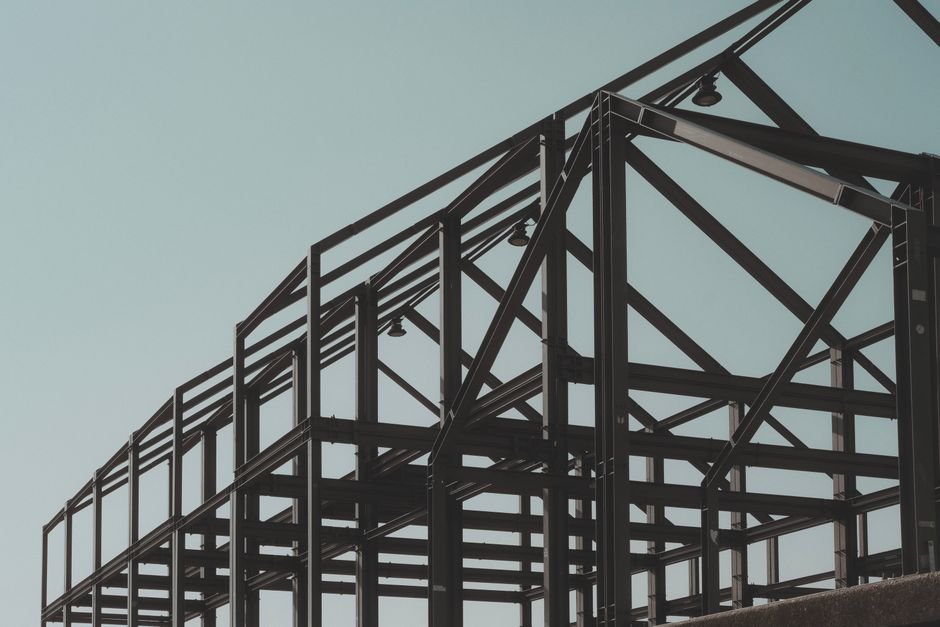
The recent discourse surrounding disaster-resilient infrastructure highlights a massive gap in how we communicate durability to the average consumer. Most marketing in the construction sector sells aesthetic luxury, ignoring the structural integrity that actually matters when the ground shakes. When you strip away the high-end finishes and the marble lobbies, you are left with the core principles of physics. Building a low cost earthquake resistant house relies on load distribution, material flexibility, and intelligent site selection rather than premium cement brands or imported steel. By prioritizing the structural skeleton—the beams, columns, and foundations—architects can ensure that the home absorbs seismic energy rather than resisting it with brittle, costly rigidity.
For the Indian market, where climate volatility is moving from a periodic threat to a seasonal reality, the demand for affordable, resilient housing is skyrocketing. The latest industry data shows that developers who pivot toward disaster-proof engineering are seeing higher trust metrics than those simply pushing aesthetic upgrades. We are seeing a shift where functional longevity is becoming the ultimate premium brand signal. It is a refreshing departure from the usual marketing fluff that characterizes the sector, focusing instead on the raw utility of life-saving infrastructure. This market shift acknowledges that for a growing middle-class demographic, a home is not just a real estate asset; it is a long-term investment in family safety that must withstand the environmental challenges of the coming decades.
Engineers and architects working on these low-budget models emphasize that you don’t need exotic materials. The key is in the framing and the foundation. For instance, using bamboo-reinforced concrete or treated bamboo frames—when correctly engineered—provides a level of tensile flexibility that rigid steel structures often lack during intense seismic shifts. By keeping the center of gravity low and ensuring that the roof is lightweight, you eliminate the biggest killers in a structural collapse: heavy materials falling from heights. This is not just technical advice; it is a blueprint for a brand identity built on reliability. Furthermore, the use of base isolation techniques, even on a simplified, low-cost scale, can significantly dampen the kinetic energy transferred from the earth to the building.
From a marketing perspective, the brands that help educate consumers on these methods are winning. There is a massive opportunity for building material companies to stop selling ‘strength’ as a vague marketing claim and start selling it as a measurable, disaster-resistant framework. When a brand provides transparent, easy-to-follow guidelines on building a low cost earthquake resistant house, they are effectively owning the conversation around safety. It moves the product from being a commodity item in a hardware store to a critical component of a family’s security. By creating open-source tutorials or offering engineering consultations, these brands foster a sense of community trust that far exceeds the impact of a traditional billboard advertisement.
However, we have to remain skeptical of the ‘green-washing’ that often accompanies affordable housing projects. Just because something is built cheaply does not automatically make it resilient or environmentally friendly. Proper soil testing and adhering to local seismic zone codes are non-negotiable foundations for success. A house is only as strong as the ground it stands on; therefore, site analysis—checking for liquefaction potential and slope stability—is as crucial as the choice of building materials. If you are a marketer in this space, stop selling the dream of a ‘cheap house’ and start selling the engineering reality of a ‘safe home.’ The distinction between cutting corners and optimizing costs is what creates long-term brand equity.
Ultimately, the future of real estate isn’t just about glass-fronted skyscrapers that look good in an investment brochure. It is about the ability to build, survive, and thrive in challenging conditions. The modern consumer is tired of the gloss; they are increasingly demanding the grit of reality. By focusing on the fundamentals of structural survival—such as cross-bracing, proper anchorage, and material ductility—the construction industry can finally bridge the gap between affordability and security. As we move forward, companies that champion these practical, accessible construction techniques will be the ones that consumers trust when the next emergency hits. Durability is, and always will be, the ultimate marketing edge in an uncertain world.