
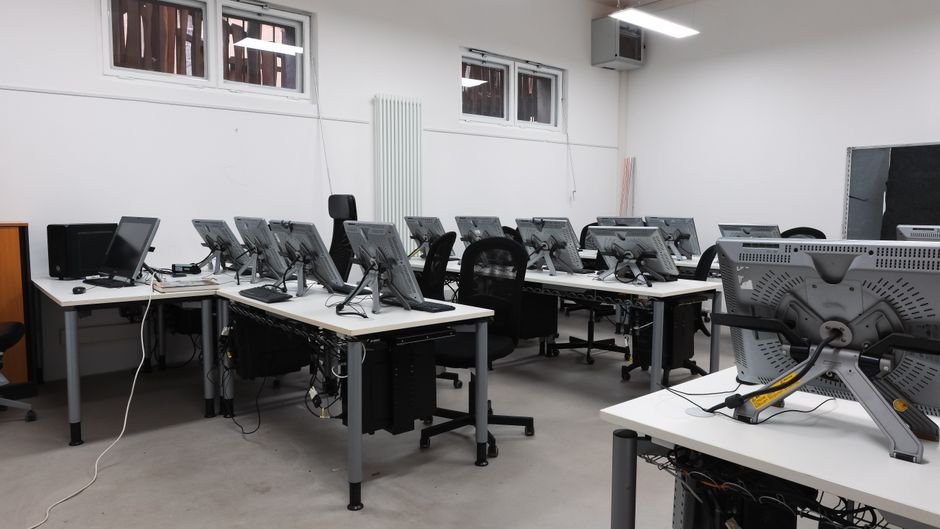
When we talk about service delivery, we usually look at how brands recover from a bad product launch or a PR slip-up. But the latest NEET PG exam chaos provides a masterclass in how a failure in technical infrastructure can destroy institutional credibility overnight. When thousands of aspiring medical professionals sat down for their high-stakes exam in Jaipur, they didn’t expect to be greeted by power cuts and software glitches that effectively paralyzed the testing process. For anyone watching from the marketing or communication side, this isn’t just a technical glitch; it is a profound brand failure that ripples far beyond the immediate student community.
The optics of the situation are brutal. You have the brightest minds in the country, individuals who have spent years preparing for this specific moment, being told that the system meant to evaluate their competence simply stopped working. From a brand perception standpoint, the National Board of Examinations (NBE) is currently facing an existential crisis. Trust is the primary currency for any organization that conducts assessments, and that currency has been severely devalued. When a brand fails its primary user base, the apology must be as loud as the failure, yet the response here has felt disjointed and reactive rather than empathetic and strategic.
If we look at this through the lens of crisis management, the NBE has failed to control the narrative. The students are not just angry; they are vocal on social media, turning their frustration into a collective movement that brands usually struggle to suppress. This is the modern reality: you cannot hide technical failures behind bureaucratic jargon. The NEET PG exam chaos demonstrates that when your core product—in this case, the exam itself—fails, your communications team is left holding an empty bag. No amount of press releases can offset the visceral experience of a student sitting in a dark, silent exam room while their future hangs in the balance.
Marketing professionals in India often focus on the ‘customer journey,’ but we rarely talk about the ‘high-stakes user journey.’ For a student, this exam is their entire career. When a service provider treats this interaction with the same level of care as a minor app bug, the misalignment is catastrophic. The lack of contingency planning displayed here suggests a massive gap between the digital transformation they promised and the physical reality of the testing center. Even if the technology was cutting-edge on paper, it was useless in the field. This teaches us that brand promises are only as good as the weakest link in your delivery chain.
What happens next? The protest seen in Jaipur is only the tip of the iceberg. We are looking at a scenario where the public trust in centralized testing is eroding. If candidates feel the environment is rigged or fundamentally broken by technical incompetence, they lose faith in the meritocratic nature of the institution itself. As someone who watches how companies handle crises, I find it startling how often large organizations underestimate the power of transparency. A proactive, human-centered response—admitting the failure immediately and outlining a concrete, human-first solution—is the only way to salvage the reputation of the NBE at this stage.
For the marketing and corporate communications world, this serves as a harsh reminder: infrastructure is your biggest communication tool. You can spend millions on brand identity, but if your platform crashes when the stakes are highest, you have effectively told your audience they don’t matter. The NEET PG exam chaos is not a niche story for medical students; it is a cautionary tale for any organization relying on digital platforms to deliver a critical service. Reliability is not a feature; it is the entire brand proposition. When you lose that, you don’t just lose customers; you lose your right to hold authority in the public eye.
Ultimately, the students demanding justice are not just asking for a re-test. They are asking for a return to professionalism and respect. If the powers that be continue to treat these incidents as simple technical hiccups rather than systemic failures, they will find that the damage to their brand equity is permanent. The industry should be watching this space closely, not for the exam results, but to see if a massive bureaucratic entity is capable of learning the most fundamental lesson in business: your users are watching, and they have the power to define your narrative long after you have stopped talking.