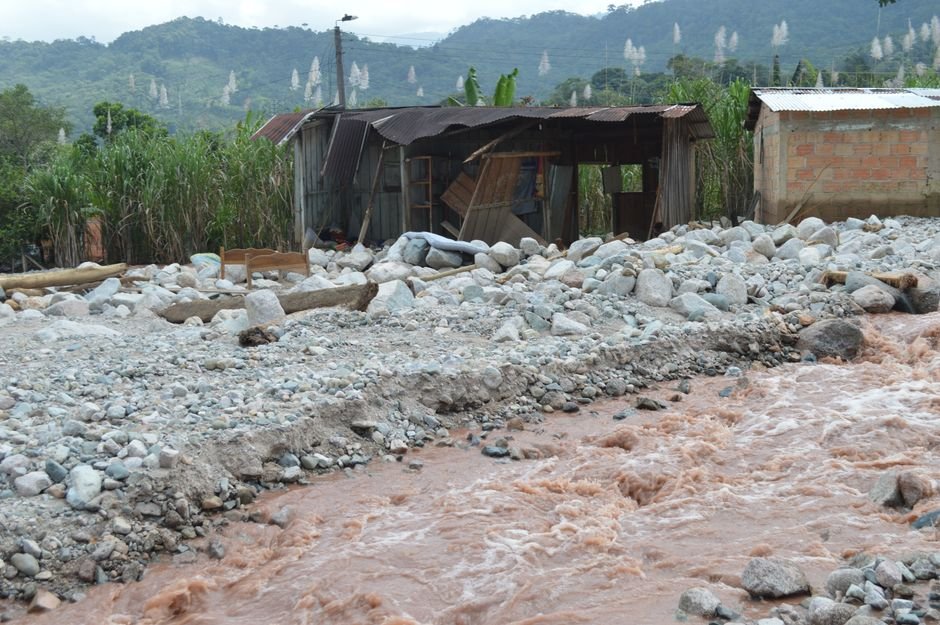
The devastating Nepal flash flood has left a trail of destruction that demands our attention, not just as global citizens, but as marketers who often overlook the fragility of the regions we target. With nearly 600 lives lost and over 1,900 people still reported missing, the scale of this humanitarian catastrophe is staggering. For companies operating across the Himalayan belt or those relying on supply chains that cut through these vulnerable geographies, the situation is a wake-up call. When a disaster of this magnitude hits, the standard corporate playbook—often filled with generic empathy messages—feels painfully hollow and out of touch.
We need to talk about the disconnect between modern marketing strategies and the reality of regional infrastructure. In an era where every brand talks about being ‘hyper-local’ and ‘community-driven,’ how many actually have a protocol for when that community is physically washed away? Marketing Unfiltered has spent years critiquing the superficiality of brand activism, but this tragedy highlights something more practical: the lack of real-time agility in corporate communications. When the Nepal flash flood disrupted infrastructure, many brands were caught in a loop of pre-scheduled social media posts, appearing tone-deaf while the world was mourning. It is a failure of internal systems as much as it is a failure of empathy.
For agencies and brands working in the Indian subcontinent, the monsoon season is no longer an anomaly—it is a high-risk operational window. Yet, we rarely see this reflected in media buying or seasonal campaign planning. We treat regions like Nepal or North India as static markets on a map, ignoring the environmental volatility that directly impacts consumer purchasing power, physical access to markets, and the stability of local distribution channels. The current crisis is a stark reminder that physical infrastructure is the backbone of your marketing strategy. If the road is gone, your offline campaign is gone. If the power grid is down, your digital footprint is irrelevant.
There is also a lesson here regarding the influencer and creator economy. Many local creators are currently on the ground, serving as the first responders and primary sources of news, effectively outperforming traditional media outlets in real-time information dissemination. We have seen a shift where professional journalism struggles to keep pace with the hyper-local, ground-zero footage being uploaded by individuals. For brands, this begs a question: how are you engaging with these creators during a crisis? The best move is to step back, stop the promotional machinery, and leverage your reach to amplify verified aid resources rather than pushing a product. Silence is often the most professional marketing strategy available during a disaster.
Marketing professionals in India often focus on the ‘next big trend’ or the latest algorithm tweak, but this Nepal flash flood incident proves that real-world events will always have the final say. We rely on data analytics to predict consumer behavior, yet we struggle to build communication plans that account for the unpredictable nature of our environment. The brands that maintain a shred of credibility in these moments are the ones that drop the marketing jargon, clear their content calendars, and provide tangible help. It is not about ‘brand purpose’ on a slide deck; it is about recognizing that your customers are living through a tragedy, and your ‘engaging content’ is likely the last thing they need to see.
Moving forward, businesses need to incorporate geographic risk assessments into their marketing calendars. If you are operating in regions prone to extreme weather, your marketing plan should have a ‘stop-gap’ protocol that triggers automatically when disaster strikes. It is time to treat empathy as a strategic capability rather than a PR exercise. A brand that understands the gravity of the Nepal flash flood will be far more respected than one that continues to push flash sales while the ground is still unstable. True marketing is about understanding the human experience—and right now, that experience is one of loss, survival, and waiting for help.