
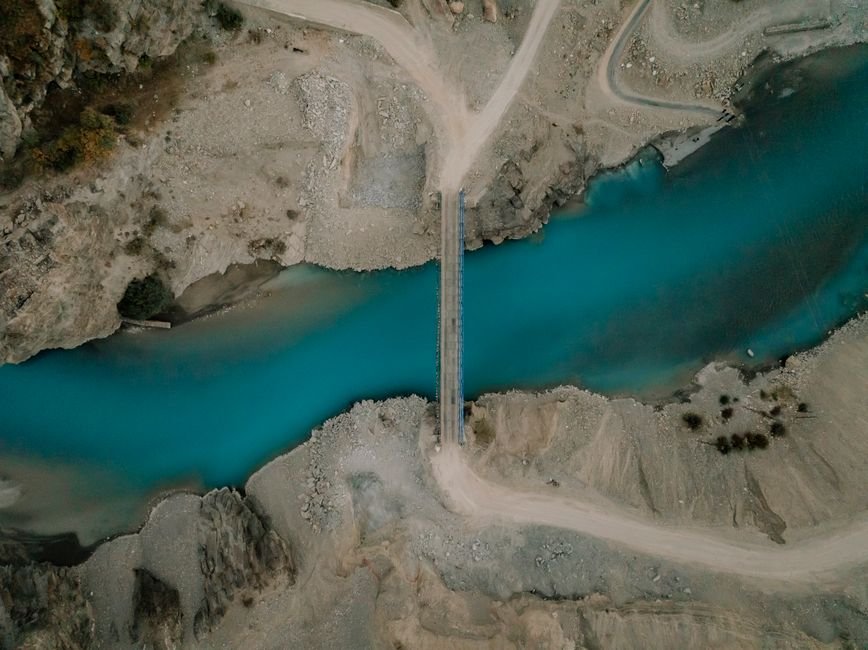
A critical Nepal flood alert has emerged from Chinese authorities, warning that a glacial lake breach could trigger catastrophic downstream devastation at any moment. For the average marketer in Delhi or Mumbai, a geological crisis in the Himalayas might seem like a topic for the evening news rather than a board room discussion. However, when we strip away the corporate jargon, what we are really looking at is a massive disruption to supply chains, infrastructure, and regional consumer sentiment that dictates where the money flows. Understanding the gravity of this Nepal flood alert is essential for any business stakeholder operating in South Asia, as the interconnected nature of the regional economy means that a physical rupture in the mountains translates directly into a financial rupture in the urban centers.
China’s decision to deploy drones and real-time monitoring to keep Nepal updated is not just a diplomatic gesture; it is an exercise in data-driven risk management. When a region faces a sudden environmental threat, the immediate fallout is a total freeze on local commerce. Tourism, which is the backbone of the Nepali economy, evaporates overnight. Brands that have invested heavily in regional outreach, hospitality marketing, or cross-border logistics suddenly find their campaigns rendered tone-deaf or entirely irrelevant. If you are a brand manager handling regional portfolios, your strategy needs to be elastic enough to pivot when these natural warnings arise, ensuring that automated systems are paused and resources are reallocated toward empathetic, locally relevant communication rather than aggressive sales funnels.
Consider the logistical nightmare of a major flood. Roads vanish, supply routes are severed, and retail storefronts in the potential impact zone stop operating. When you look at this Nepal flood alert, think about the downstream impact on your ad spend. Are your automated digital ads still firing in areas where people are currently fleeing for their lives? Nothing kills brand equity faster than an insensitive display ad popping up on a mobile screen while a family is navigating a disaster zone. The real-world data we see from Chinese agencies monitoring these glacial lakes provides a playbook for how modern firms should handle crisis communication. It is about transparency, speed, and shifting gears before the worst happens, utilizing the same preemptive intelligence to adjust media buys as meteorologists use to predict water flow.
We talk constantly about performance marketing and ROI, yet we rarely discuss the geography of risk. Large FMCG brands and logistics-heavy startups have massive stakes in the stability of Himalayan trade routes. When these routes are threatened by potential flooding, your distribution network suffers. A product that cannot move is a product that cannot sell. Consequently, marketing budgets often get slashed to compensate for supply chain shortfalls. This is the hidden cost of environmental volatility that the C-suite often ignores until the bill arrives. When inventory is stranded in a warehouse that has become inaccessible, the marketing team’s primary job shifts from driving conversion to managing public relations and customer service fallout, turning what was once a growth initiative into a damage control exercise.
Furthermore, the reliance on drone surveillance and remote sensing to monitor this flood risk highlights a shift in how we gather information. Marketers spend millions on consumer sentiment tools and data analytics, yet they often overlook the raw physical data that dictates human movement. If you can track a glacial lake, you can track the shifting demographics of a population displaced by climate events. This is the next frontier of intelligence-gathering for brands looking to maintain a presence in volatile markets. By integrating GIS (Geographic Information System) data into their marketing stacks, companies can move beyond mere demographic profiling and begin to understand how environmental stressors dictate consumer behavior, purchasing power, and the sudden migration of target audiences. Ignoring the physical environment is no longer a viable strategy for regional players.
In an era of hyper-connectivity, a local disaster becomes a global brand reputation concern within minutes. If your digital infrastructure is not coupled with an awareness of the physical landscape, your messaging will lack the necessary context to succeed. Companies that fail to monitor environmental stability often find themselves spending heavily on customer acquisition in areas that are physically incapable of participating in the economy due to natural disasters. This mismatch between digital presence and physical reality is a significant waste of capital that could be avoided through better cross-departmental integration between risk management teams and advertising units.
It is time for the marketing industry to get comfortable with reading more than just ad-tech dashboards. The reality on the ground—whether it is a looming deluge in the mountains or a disruption in a shipping hub—is the ultimate variable. If your media buying strategy doesn’t account for the fact that a Nepal flood alert could shift millions in potential revenue into the void, you aren’t doing real marketing. You are just throwing digital seeds into a storm. Stay sharp, watch the actual world, and ensure your messaging is as dynamic as the geography it operates within, acknowledging that in the high-stakes environment of the Himalayas, the landscape dictates the bottom line.