
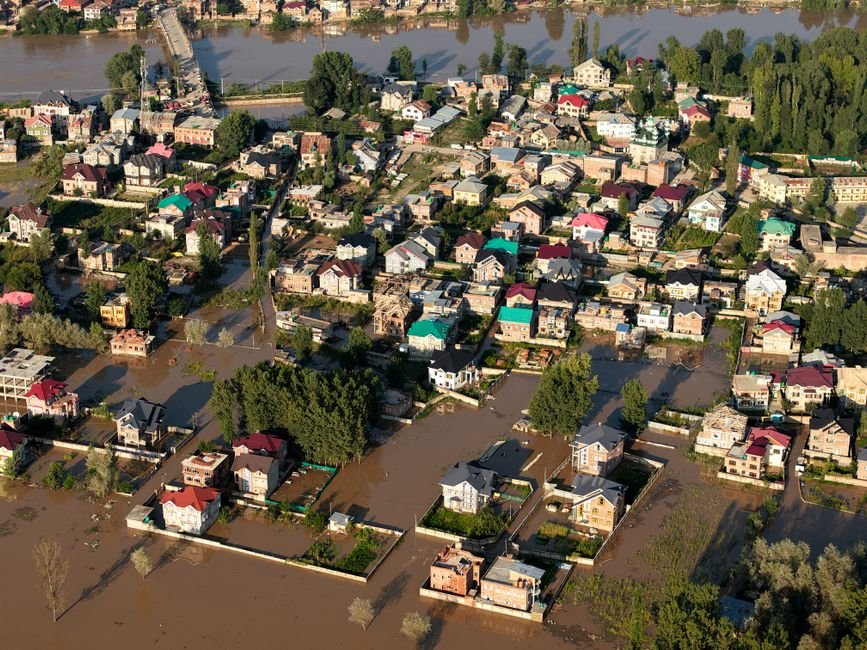
The unfolding Nepal flood crisis serves as a grim reminder that our neighbor’s stability is inextricably linked to our own supply chain resilience and regional corporate planning. As death tolls climb toward 600 and nearly 2,000 people remain missing, the tragedy in Kathmandu and surrounding districts isn’t just a humanitarian catastrophe; it is a profound disruption to the logistics networks and trade corridors that many Indian businesses rely upon. For marketing leaders and supply chain strategists, this disaster highlights the vulnerability of regional infrastructure and the fragility of cross-border operations.
When we talk about brand stability, we often focus on digital servers or marketing budgets. Yet, the Nepal flood crisis proves that nature can dismantle a brand’s physical presence overnight. Major highways are blocked, bridges have collapsed, and communication lines are severed. If your brand relies on manufacturing units, distributors, or even specialized talent pools in the Himalayan belt, the lack of operational contingency planning becomes glaringly obvious during events of this magnitude. It is easy to overlook these geographical risks when the sun is shining and the trade routes are open, but the current situation in Nepal is a wake-up call for firms that treat geographical borders as invisible lines.
From a marketing perspective, the communication vacuum during such a disaster is where brands reveal their true colors. We see a lot of performative empathy on social media, but when the ground reality involves thousands missing, simple ‘we stand with you’ posts can feel hollow. Companies that have a genuine stake in Nepal—whether through infrastructure or consumer reach—need to pivot from standard marketing to corporate crisis management. This isn’t the time for scheduled posts or automated campaign launches. If your brand management team is still pumping out discount codes while the country is in mourning, you aren’t just tone-deaf; you are actively damaging your brand’s long-term equity.
The economic impact of the Nepal flood crisis will ripple through the regional trade sectors for months. Businesses dealing in FMCG, construction materials, and tourism will face a massive bottleneck as the cleanup operations take precedence over commercial transit. For those of us in India’s marketing sector, we need to analyze how this impacts our localized campaigns. If your client had a festive push planned for the border regions, that strategy needs to be pulled or completely re-calibrated. Marketing is about context, and the context in Nepal right now is one of survival, not consumption. Ignoring this reality is a failure of basic brand strategy.
We have to get better at integrating disaster readiness into our corporate storytelling. Too often, we treat environmental instability as an outlier—something that happens once in a decade. But as weather patterns become more volatile, these ‘outliers’ are becoming common events. A brand that is prepared for a crisis communicates differently. It doesn’t panic. It doesn’t pivot with confusion. It has the infrastructure and the transparency to keep stakeholders updated. When you fail to account for regional disasters, you leave your reputation at the mercy of the elements.
As the rescue efforts continue and the scale of the damage becomes clearer, the focus must shift from observation to action. This is the moment for brands with a footprint in the affected areas to prove they are part of the solution. Donating resources, providing logistical support, or utilizing your distribution networks to deliver aid is worth more than a hundred press releases. If you are an agency or a brand lead, step back from the analytics for a moment and look at the human cost. The Nepal flood crisis isn’t a data point to be analyzed for a case study. It is a reality that demands a shift in how we approach our interconnected regional economy. Real marketing isn’t just about selling; it’s about being present, responsible, and prepared when the world falls apart around your consumers.