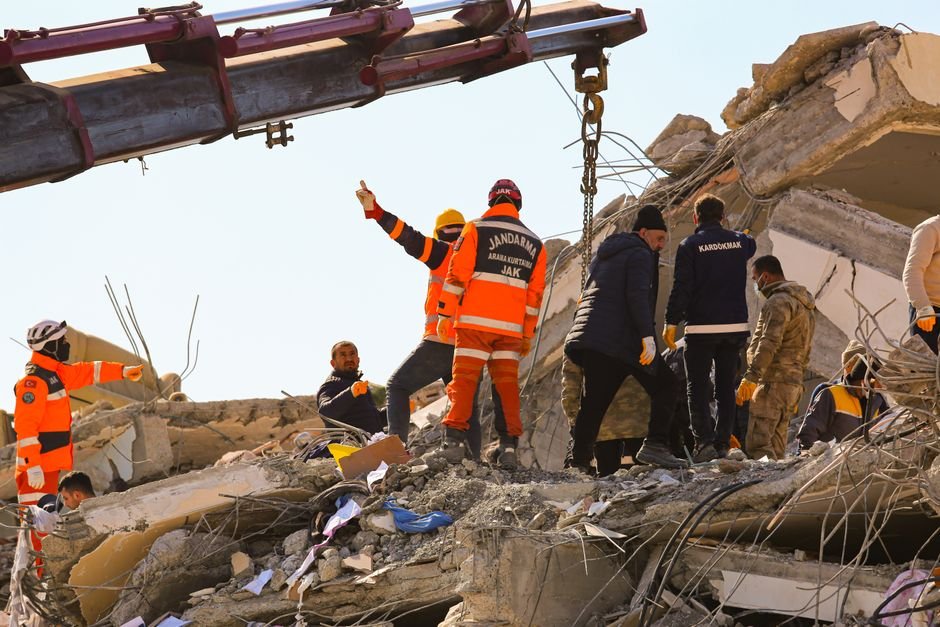
When we talk about Nepal flood destruction, we are usually looking at a humanitarian tragedy that demands immediate attention and empathy, but for the marketing and corporate communications professional, there is an uncomfortable secondary layer to these events. The images coming out of Nepal—homes reduced to piles of brick, rescue workers digging through thick sludge, and infrastructure severed—are not just news items. They are the ultimate test of brand authenticity and crisis preparedness in an era where consumers are hyper-vigilant about how companies respond to regional catastrophes.
In the Indian market, where geography and supply chains are deeply integrated with our northern neighbors, these visuals serve as a stark reminder of the volatility of the region. As marketers, we often treat crisis communication as a checklist: draft the PR statement, pause the social media ads, and wait for the news cycle to shift. This is the wrong approach. When the scale of natural disaster hits this hard, the standard ‘thoughts and prayers’ social post feels hollow. Brands that operate in the cross-border logistics, retail, or travel sectors face a legitimate dilemma. Do they pivot their content strategy? Should they halt ongoing campaigns that might appear insensitive against the backdrop of such misery? Most fail to strike the balance because they rely on automated systems rather than genuine human observation.
The current Nepal flood destruction situation highlights how digital infrastructure remains fragile. During times of massive connectivity disruptions caused by natural disasters, the reliance on real-time data and digital-first advertising becomes a liability. A campaign running in a region currently buried under mud and debris isn’t just inefficient; it is a sign of a disconnected brand ecosystem. We talk a lot about ‘brand purpose’ in boardrooms in Gurgaon and Mumbai, but when an actual crisis strikes, that purpose needs to manifest in operational shifts, not just Instagram graphics. It requires leadership to stop the automated ad spend, repurpose budgets toward tangible relief, and communicate with customers about delays with brutal, transparent honesty rather than corporate jargon.
There is a lesson here for the Indian agency landscape, specifically regarding media planning. We have become obsessed with performance marketing metrics, often ignoring the context of the user experience. If your ad is served to a user in a flood-affected zone, your machine learning algorithm isn’t being ‘smart’—it’s being tone-deaf. The human element of marketing requires us to build ‘kill switches’ for ad spend during disasters. This isn’t just about PR; it’s about basic respect for the audience. The images from Nepal show how quickly life can be upended, and any brand continuing to pump out tone-deaf ‘flash sales’ or ‘exclusive offers’ during such a period loses the trust that takes years to build.
Crisis communication shouldn’t start after the disaster hits. It should be a part of the foundational brand strategy. You need to know how your company will respond when regional infrastructure collapses, how you will assist your local partners, and how you will adjust your messaging to reflect the gravity of the situation. Brands that treat a disaster as a minor logistical hurdle are inevitably viewed as parasitic. Conversely, brands that pause to assess the human cost—not because it’s good for their image, but because it’s the right thing to do—are the ones that retain customer loyalty in the long run.
As we monitor the ongoing situation, the marketing community must realize that being ‘always on’ is not a virtue. There are moments when the only responsible brand strategy is to go silent, amplify official aid channels, and ensure your internal communications reflect the urgency of the moment. Nepal is facing an immense struggle, and for those of us watching from across the border, it serves as a wake-up call to replace our polished, automated marketing scripts with a bit more situational awareness. The recovery in Nepal will take months, if not years. Your brand’s performance during this time will be measured not by your conversion rates, but by your humanity.