
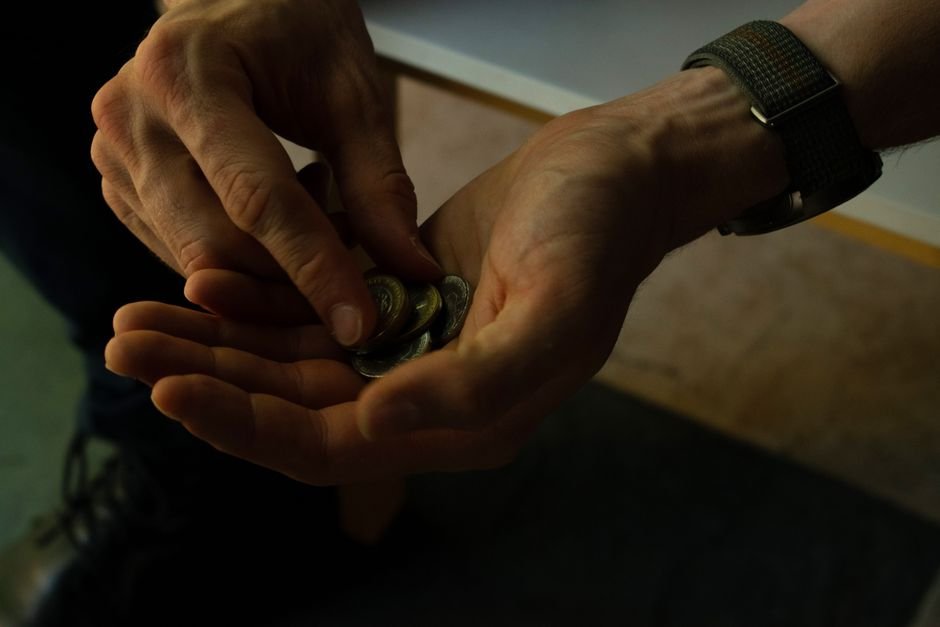
When the Royal Mint announced a new 10p coin enters circulation, most people barely blinked. In a world hurtling toward a cashless society where even the humble street vendor in Mumbai or London prefers a digital wallet, the physical coin feels like a relic. Yet, for marketers and brand strategists, this isn’t just about spare change rattling in a pocket. It is a masterclass in collectible marketing and national branding that Indian brands, currently obsessed with hyper-digital loyalty programs, might want to study closely.
The Royal Mint’s strategy here is deliberate. By releasing a limited run of coins featuring the Atlantic Salmon, they are tapping into the psychological trigger of scarcity. Even though these are legal tender meant for daily commerce, they are essentially being marketed as physical NFTs. In India, where we have a rich history of commemorative currency, there is a massive, untapped opportunity to gamify physical interactions with consumers. Brands often pour millions into app-based gamification, but the tactile experience of finding a specific, limited-edition physical object—be it a custom-packaged beverage or a branded coin—creates an emotional resonance that a digital push notification simply cannot replicate.
We need to talk about why this matters for the modern advertiser. The new 10p coin isn’t meant to solve a liquidity problem. It’s meant to keep the institution relevant. For a consumer brand in Delhi or Bangalore, the takeaway is clear: physical assets matter when they tell a story. When you look at the design of this coin, you see how clean, sharp, and focused the visual language is. It doesn’t scream for attention; it earns it through the mystery of its arrival. If your brand is only living inside the phone screens of your customers, you are missing out on the physical touchpoints that build long-term brand equity.
There is a slightly cynical side to this, of course. Is it a desperate attempt to stay relevant in a digital-first world? Possibly. Collectors will hoard these pieces, taking them out of circulation entirely, which is an odd outcome for a central bank. But for the marketer, this is a lesson in ‘phygital’ strategy. How do you make a commodity—like a 10-rupee note or a bottle of water—feel like a limited-edition piece of art? The Royal Mint is essentially doing a ‘drop’ strategy, the same way streetwear brands like Supreme or high-end sneaker manufacturers move inventory. They are creating a scarcity-led narrative around a piece of metal that you can find at the local grocery store.
In the Indian market, we have seen FMCG giants try this with cricket cards or superhero stickers, but they often lack the prestige that the Royal Mint brings. The key difference here is longevity. A coin survives. A sticker gets thrown away. If you are a brand manager, you have to ask yourself: what can I create that my customer will actually keep for five years? If the answer is ‘nothing,’ your brand strategy is fundamentally disposable. The new 10p coin manages to turn a boring financial instrument into a piece of micro-entertainment. Every time a cashier hands one over, there is a split second of curiosity. That is a moment of brand engagement that money can’t buy, or rather, it is a moment bought with the very currency being used.
Ultimately, the move toward digital payments in India is irreversible, but that doesn’t mean physical currency has lost its marketing power. It just means that its role has changed from a utilitarian tool to a medium for storytelling. If a government-backed institution can figure out how to ‘drop’ a product into the hands of millions without a single cent of traditional advertising spend, there is no reason your local retail brand can’t replicate that kind of curiosity. It’s time to stop thinking about digital as the only way to reach people and start looking for the gaps where the physical world still surprises us. We are obsessed with metrics and tracking, yet we often forget that the most powerful marketing happens when someone is surprised by something they didn’t expect to find in their own hand.