
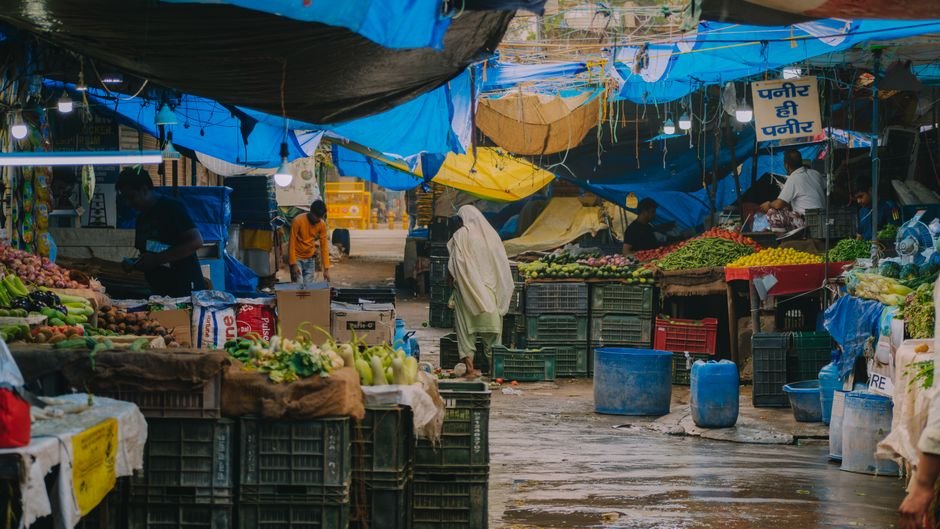
The persistent onion price hike has once again rattled Indian households, with retail rates in major mandis like Okhla touching a staggering ₹80 per kilogram. For the average consumer, this isn’t just a budget issue; it is a signal of a broken supply chain that marketing professionals and retail strategists should observe closely. When a kitchen staple becomes a luxury, consumer behavior shifts instantly, creating a ripple effect that touches every brand, from FMCG giants to local neighborhood kirana stores.
Government interventions—ranging from export bans to buffer stock releases—seem to be losing their teeth. As an industry, we often focus on the polish of a campaign or the efficiency of a digital funnel, but we frequently ignore the macro-economic realities that dictate consumer sentiment. When the cost of basic survival items spikes, the discretionary income that marketers fight for shrinks rapidly. This is the reality of the onion price hike; it forces a trade-off in households that leaves less room for impulse purchases or premium upgrades. If your brand sells non-essentials, your cost of acquisition will likely climb as consumer caution sets in.
Retailers are currently scrambling to balance inventory, but the volatility is making long-term planning nearly impossible. The Okhla mandi data is a microcosm of a larger issue. When supply is erratic, the psychological impact on the shopper is profound. We see a shift toward smaller pack sizes, a surge in private label demand, and a decline in brand loyalty as shoppers chase the lowest shelf price. Companies that have spent millions building brand equity are finding that the average customer is more sensitive to a price tag on a bag of onions than to the jingle in a high-budget television commercial. This is a humbling lesson for any marketing executive who thinks brand purpose can override the harsh reality of household economics.
Logistics and cold storage infrastructure gaps are the true villains here. While politicians trade blame, the actual loss happens in transit. For the marketing and retail sector, this represents a failure in ‘product availability’—the most basic pillar of the four Ps. You can have the best promotional offer in the market, but if the cost of the underlying product makes it prohibitive, your campaign strategy is essentially dead on arrival. We need to look at how these agricultural fluctuations are now directly impacting the bottom lines of consumer-facing businesses. When the common man feels the pinch, they stop engaging with new products. It is a protective, reflexive response to economic instability.
Some might argue that this is a temporary trend, but we have seen this cycle repeat every few years for decades. It is not an anomaly; it is a systemic vulnerability. Agencies working with D2C food brands or retail chains should be factoring these spikes into their annual planning. Relying on optimistic growth projections without accounting for inflationary pressure on the consumer’s kitchen budget is professional negligence. We must build resilience into our brand communication strategies, perhaps by focusing on value, longevity, and essential utility during these volatile periods.
As we watch the news reports about the onion price hike, we should be asking ourselves: how does my brand maintain relevance when the audience is preoccupied with the price of basic food? The answer lies in transparency, empathy, and perhaps, a recalibration of our price-to-value proposition. If you are selling a premium lifestyle product to a demographic that is currently reeling from inflation, your messaging needs to pivot. Trying to push aspirational vanity when the shopper is stressed about their grocery bill will only alienate them. Real marketing is about understanding the environment in which your customer lives, not just the environment you want them to live in. The current price chaos is a stark reminder that even the biggest brands are at the mercy of the humble onion.