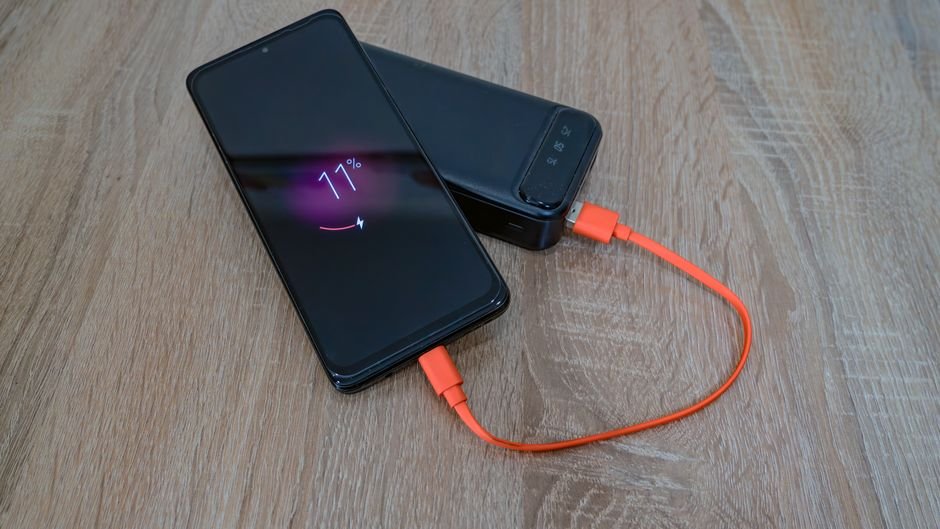
When Xiaomi announced that the upcoming Poco X8 Power would finally hit the Indian market with a monstrous 10,000mAh battery, the industry stopped for a second to do the math. We have spent years watching brands race to shave millimeters off device thickness, sacrificing battery longevity for the sake of a sleek aesthetic. Now, we are looking at a device that claims three full days of life on a single charge, effectively killing the anxiety that keeps most smartphone users tethered to a wall socket by midday.
For the average marketing professional or digital nomad in India, this isn’t just another spec-sheet flex. It is a fundamental shift in user behavior. Most of our current mobile-first strategies revolve around high-frequency engagement—the idea that you need to capture a user’s attention every few hours. If a device effectively removes the friction of charging, the user’s relationship with the hardware changes. They stay online longer, play more intensive games, and stream video without constantly checking the red battery icon. This creates a longer window for brands to serve impressions and maintain persistent connectivity.
The marketing challenge here is fascinating because Xiaomi is leaning into utility rather than just pure vanity metrics like camera megapixels or screen refresh rates. The Poco X8 Power is positioning itself as a tool for the pragmatic consumer—the person who works in the field, the traveler, or the gamer who hates the ‘low power mode’ interruption. By highlighting the 3-day battery life, they are shifting the conversation away from the vanity of ultra-thin glass slabs back to the reliability that hardware was originally meant to provide.
However, there is a catch that brands need to consider. A 10,000mAh battery is heavy. It adds bulk. The marketing team at Poco is going to have to do some heavy lifting to convince the fashion-forward demographic that ‘bulk’ is actually ‘power.’ We are already seeing the early stages of this campaign in the teasers, focusing on endurance and ‘unstoppable’ performance. It is a smart pivot for a segment of the market that has grown tired of fragile devices that can’t survive a single heavy work shift.
From an advertising standpoint, this device is a goldmine for battery-intensive app developers. If the device becomes a standard for power users, performance marketing campaigns can stop worrying about the ‘early exit’ bias caused by battery-saving software. Brands that rely on high-bandwidth, high-latency tasks—think AR apps or high-definition streaming—now have a device that can support these experiences for sustained periods. This changes the ceiling for what we can build for mobile devices.
I find the timing of this launch quite calculated. In a market like India, where grid reliability and on-the-go power access still fluctuate, selling a ‘three-day battery’ is a strong, localized hook. It solves a real-world problem rather than pushing a speculative tech trend. Competitors will likely try to dismiss it as a niche device, but if the sales numbers hold up, we might see a shift where internal battery capacity becomes a primary battleground for mid-range handsets again. The question for us as marketers is how to leverage this endurance in our own campaigns. Are we going to see apps that demand more because the device can finally provide it? Or will users simply enjoy the freedom of leaving their power banks at home?
Ultimately, the Poco X8 Power is a bold experiment in hardware philosophy. It is betting that people value survival over slimness. As the launch date approaches, it will be interesting to see how the brand balances the aesthetic compromise with the promise of pure, raw utility. If they succeed, they won’t just be selling a phone; they will be selling a new way to exist in the digital world without the constant, nagging tether of a charging cable.