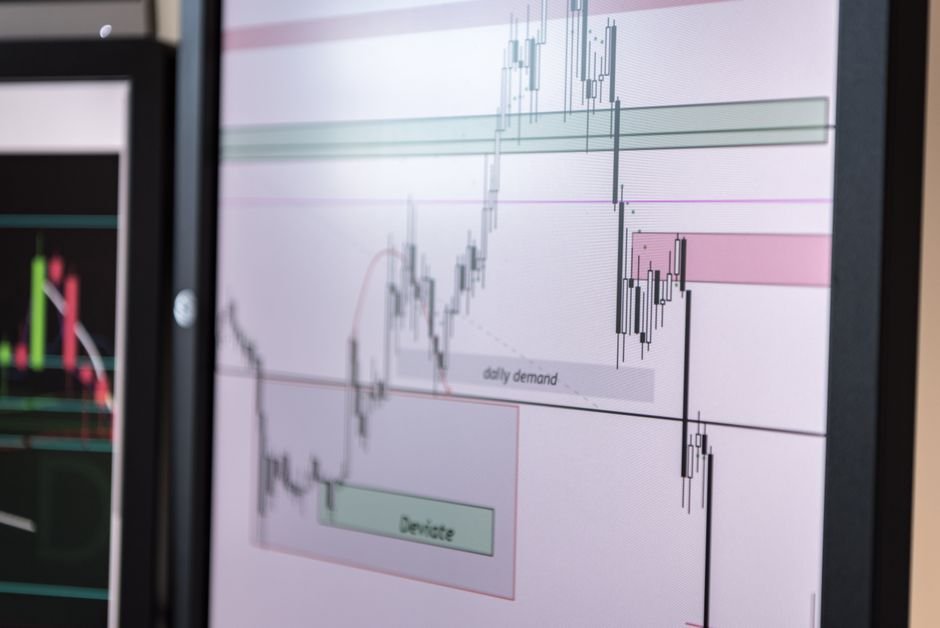
When the silver price crash hits the headlines, most people in the marketing and advertising world usually look the other way, assuming it is purely a concern for jewelry shop owners or commodities traders. That is a mistake. As silver took a sharp tumble of ₹2400 in a single session—sitting now a staggering ₹1.78 lakh below its recent peak—the ripple effects are being felt across the broader retail economy, impacting everything from consumer sentiment to the way D2C lifestyle brands price their festive campaigns.
In India, precious metals are not just commodities; they are cultural barometers. When gold and silver prices slide, it often signals a shift in discretionary spending habits. For marketers, the recent silver price crash is a flashing yellow light. It tells us that the inflationary pressure that has dominated consumer wallets for months is finally seeing some friction. If you are managing a brand that sits in the ‘affordable luxury’ or ‘lifestyle’ category, this is your signal to revisit your upcoming promotional strategies. Consumers are becoming hyper-aware of value, and the volatility in metals often translates to a more cautious, research-heavy buying journey.
Think about the tactical shift this requires. During periods of relative price stability, brands often rely on emotional storytelling to drive sales. But in an environment where raw material costs are swinging wildly, your messaging needs to pivot toward transparency and value. If your brand relies on physical assets—whether it is hardware, luxury packaging, or lifestyle products—the cost of materials is just one part of the story. The real issue is perception. When headlines scream about a collapse in metal values, the average consumer feels a sense of uncertainty. That uncertainty is the enemy of the impulse buy.
Marketing professionals often overlook the macroeconomic context of their campaigns, but ignoring the broader financial climate is how you end up with high ad spend and low conversion. During a silver price crash, you might notice that traditional ‘buy now’ calls-to-action lose their bite. This is the time to lean into utility-driven marketing. Instead of pushing the ‘prestige’ of a product, shift your creative focus to its longevity or its role as a stable, smart purchase in a volatile market. If your competitors are busy touting superficial discounts, you can win by providing the context that the consumer is currently craving: stability.
Furthermore, the data suggests that these market dips rarely stay confined to commodities. As the metal markets adjust, retail spending on non-essentials often contracts for a short period before stabilizing. This is a classic ‘wait and see’ phase for the Indian shopper. For those of you working in the D2C space, this is not the time to cut your budget entirely; it is the time to optimize it. Instead of broad-spectrum awareness campaigns, focus your performance marketing efforts on bottom-of-the-funnel audiences who are ready to make a decision regardless of external market fluctuations.
We have seen this cycle before, where aggressive discount-led advertising fails because the underlying consumer confidence is dampened by fluctuating prices. The smart play is to double down on community-building and brand loyalty programs. While the metal prices are falling, your brand’s equity should be climbing. This requires a level of restraint and strategic thinking that many agencies are too quick to discard in favor of flash-in-the-pan creative work. Real marketing isn’t just about the loud campaign; it’s about reading the room, even when the room is distracted by global economic shifts like the current downward trend in precious metals.
Ultimately, if you are planning your Q3 or Q4 media spends, account for this volatility. Don’t be surprised if your CPA metrics fluctuate as consumer confidence shifts. The current climate is a reminder that marketing is a discipline of observation. Watch the trends, adjust your tone, and ensure your message aligns with the reality your customer is experiencing at the checkout counter. If you are selling a premium lifestyle product, acknowledge the shifting value of materials without becoming a finance newsletter. The goal is to provide clarity in a noisy, uncertain market.