
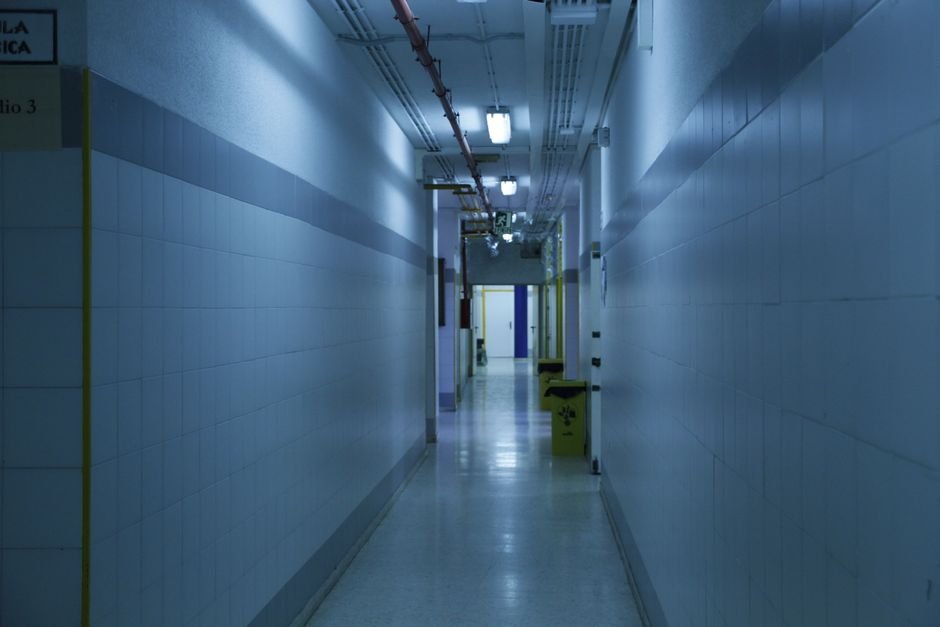
A snake in hospital corridors is the kind of story that usually ends up on the evening news as a bizarre, localized curiosity, but for the marketing and communications teams involved, it represents a profound breakdown in brand trust. In a rural health center in Jharkhand, a reptile chasing a rodent ended up entangled in the lighting fixture of an operating theater. While the headline sounds like a scene from a low-budget horror film, for the administrators at that health facility, it is a catastrophic PR moment that highlights how physical environment and operational standards define a brand more than any glossy advertisement ever could.
We often talk about brand positioning, messaging pillars, and customer sentiment as if they exist in a vacuum of digital campaigns. Yet, the Topchanchi incident serves as a harsh reminder that your brand experience is the sum total of every touchpoint, especially the ones that should be invisible. When a patient walks into a facility—whether it is a hospital, a retail store, or a service center—they aren’t looking at your mission statement. They are looking at the floor for cleanliness and the ceiling for safety. A snake in hospital infrastructure is not just a pest control issue; it is a signal to every stakeholder that the facility has lost control over its own narrative and its own standards.
For the healthcare industry, the stakes are significantly higher. Reputation management here isn’t about pivoting to a new color palette or launching a social media contest. It is built on the bedrock of safety and hygiene. When a facility allows wildlife to reach an operating theater, the messaging becomes secondary to the visceral feeling of negligence. In the age of viral smartphone videos, a single post can undo years of professional marketing effort. Brands in the service sector often spend lakhs on customer experience surveys and sentiment analysis, yet they sometimes overlook the most basic layer of brand assurance: the physical integrity of their own infrastructure.
Consider how this impacts the broader narrative of public sector branding. There is an opportunity here for crisis communication that goes beyond the standard ‘investigation is underway’ boilerplate. If you are handling a public-facing brand, your response to a failure of this magnitude must be transparent, swift, and structural. Hiding behind vague statements or waiting for the news cycle to pass is a relic of the pre-digital era. Today, the public demands an account of how a facility reached a point of neglect so severe that it invited nature into its most sterile spaces.
The marketing lesson here is uncomfortable but essential: you cannot market your way out of a failure in basic operations. No campaign can mask the reality of a compromised environment. Professionals often focus on the ‘top of the funnel’—the outreach, the ads, the influencer partnerships—but the ‘bottom of the funnel’ is where the actual customer experience lives. If your physical premises fail, your marketing budget is essentially being incinerated. Reliability is the silent partner of every brand strategy. When that reliability is shattered by something as shocking as a snake in hospital lighting, the recovery period is not measured in days; it is measured in the long process of earning back the public’s perception of basic competence.
For those of us working in communications, this is a call to look past the campaign deck and consider the actual environments our brands inhabit. Are your physical touchpoints aligned with the values you broadcast on LinkedIn or Twitter? If you promise a premium experience but your facility feels unmanaged, you are creating a cognitive dissonance that leads directly to brand attrition. Consistency is not just about fonts and logos; it is about the hygiene of the entire brand ecosystem. In the end, the most powerful marketing asset is simply keeping your house in order, because the moment you stop doing that, the market will notice—and it will certainly not be forgiving.