
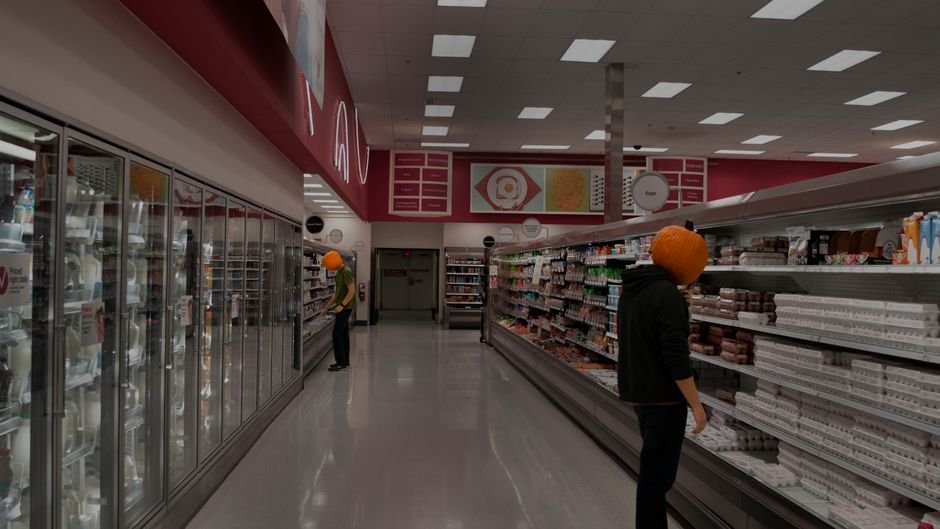
When you head to the grocery store this week, you might notice that the humble carton of eggs is commanding a much higher premium than it did just a few months ago. The reality of rising egg prices has become a conversation starter not just in breakfast nooks, but in boardrooms across the country as food inflation begins to weigh heavily on consumer spending power. While many are quick to blame the usual suspects of supply chain hiccups or feed costs, the engine behind this specific inflationary spike is actually tied to the government’s aggressive push for ethanol blending.
It is a classic case of policy collision. By diverting more maize toward fuel production, the government is effectively tightening the supply of corn available for poultry feed. Since maize is a primary component of chicken feed, farmers are facing a brutal squeeze. When input costs for poultry farms skyrocket, they don’t just eat the loss; they pass it down the chain until it hits the final buyer at the retail checkout counter. This is why rising egg prices are now a barometer for how energy policy ripples through the entire fast-moving consumer goods sector.
For marketers and brand strategists, this creates a tricky landscape. When the cost of basic proteins like eggs climbs, household budgets tighten, leaving less room for discretionary spending on non-essential categories. If you are selling premium packaged foods, luxury snacks, or even quick-service restaurant items, you need to be aware that your customer’s wallet is being drained by their morning omelette. This isn’t just an agricultural issue; it is a macro-economic shift that changes how your target audience prioritizes their monthly grocery list.
The policy logic for ethanol is clear enough: energy security and a cleaner fuel mix. However, the unintended consequence is a direct tax on the protein intake of the average family. As maize prices fluctuate based on ethanol demand, the cost of farming becomes increasingly volatile. Farmers cannot simply flip a switch to scale up production overnight, especially when their main raw material is being siphoned off for fuel. This lack of elasticity is exactly why the price spikes feel so abrupt and persistent for the average shopper.
Looking at the broader retail picture, brands need to pivot their messaging when commodity-driven inflation hits the kitchen table. We are seeing a shift where consumers are trading down, opting for private labels or cutting out categories they previously viewed as staples. If your brand relies on the ‘essential’ label, you better start justifying your value proposition before the consumer decides you are the next item to be cut from the cart. Value-based marketing, which has been stagnant during periods of easier economic flow, is suddenly back at the front of the queue.
We have to look past the superficial noise of supply chain headlines and recognize that this is a structural shift in how agricultural resources are allocated. Whether you work in FMCG, retail, or agency strategy, ignoring the impact of energy-food competition is a mistake. The cost of food is the foundation of consumer confidence, and when that shakes, every other vertical feels the tremors. These rising egg prices are merely the most visible canary in the coal mine for a larger inflationary environment that brands need to navigate with extreme caution.
Moving forward, expect the discourse around food security and renewable energy to become more adversarial. It is no longer just about environmental targets; it is about the trade-off between keeping cars moving and keeping stomachs full. Smart marketers should be stress-testing their growth forecasts against the probability that food inflation stays elevated for the foreseeable future. Planning for a world where your customer is consistently overcharged for their breakfast is the new normal, and pretending otherwise is just leaving your brand exposed to a changing market reality.