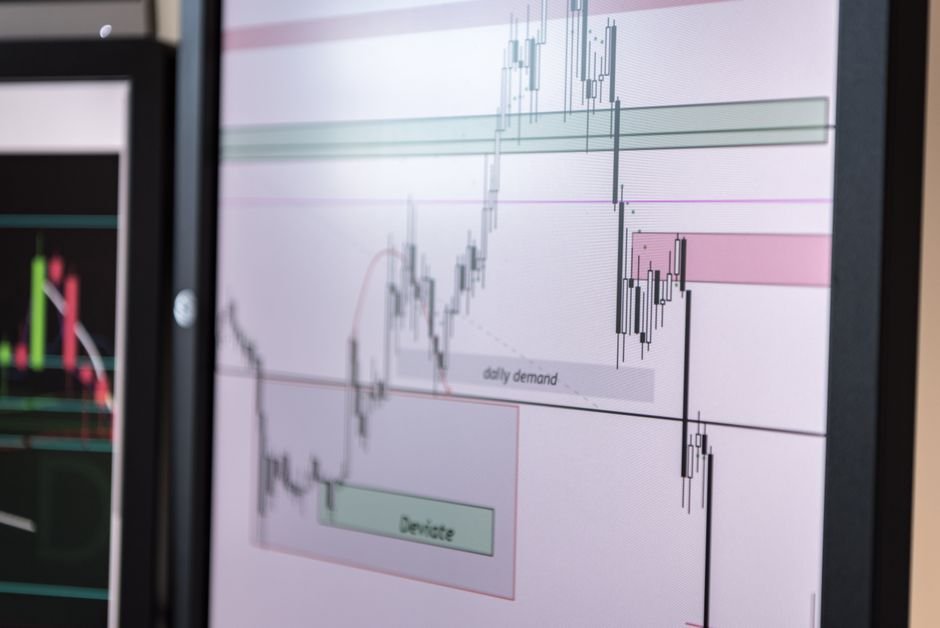
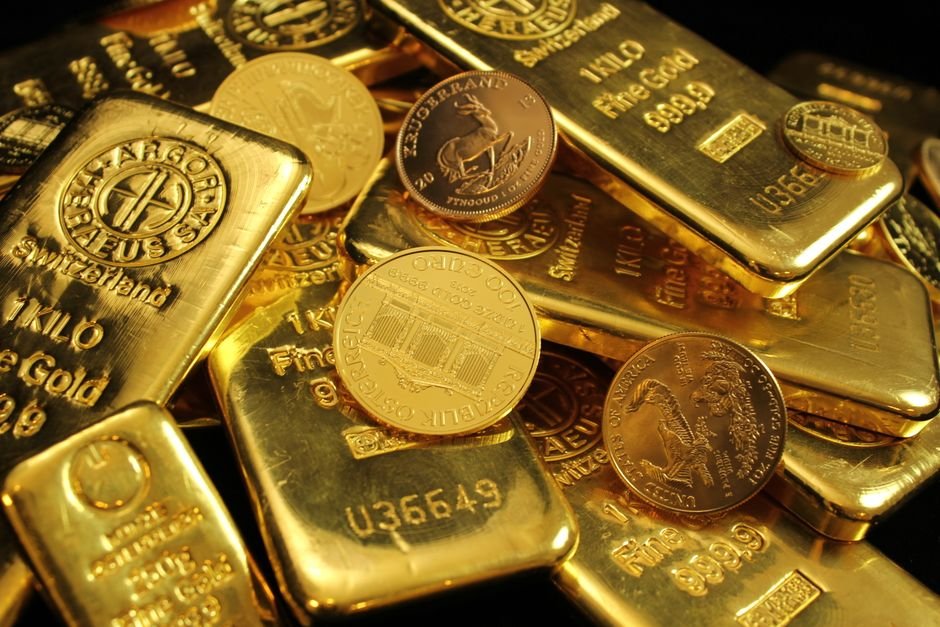
The latest data from the World Gold Council confirms that surging gold prices are single-handedly masking a significant efficiency crisis within the mining industry. While boardroom presentations often focus on the glittering top-line growth, the reality underneath is a 16% spike in extraction costs during Q1 2026. For marketing professionals and brand strategists in India—a country with a cultural and economic obsession with bullion—this trend is a double-edged sword. When the primary raw material for an entire retail sector becomes this volatile, the traditional playbook of ‘festive discounts’ and ’emotional storytelling’ starts to lose its effectiveness.
Mining companies are currently struggling with the classic inflationary squeeze: fuel, labor, and equipment costs are climbing at rates that would terrify a standard FMCG brand manager. Yet, because the market price of gold has effectively decoupled from the underlying cost of production, these miners are posting record margins. It is a lucky break for the sector, but relying on commodity tailwinds to preserve profitability is not a sustainable long-term business strategy. Smart brands know that once the price settles or the consumer reaches a total exhaustion point, these bloated production costs will become a structural nightmare.
For the Indian jewelry market, this shift is critical. In markets like Mumbai or Delhi, local jewelers are accustomed to operating on razor-thin margins, relying on making charges and volume to stay afloat. When surging gold prices lead to record-breaking bullion margins at the source, it inevitably cascades down the supply chain. Retailers are now forced to navigate an environment where their core offering is becoming an aspirational luxury rather than a standard middle-class savings vehicle. This demands a pivot in marketing communication. Moving away from price-centric ‘offer’ ads and toward value-based positioning is no longer optional—it is a survival requirement.
We have to look at how these companies are communicating their resilience. The narrative is currently dominated by ‘record profits,’ which often serves as a distraction from the rising operational cost percentages. If you are a CMO in the lifestyle or investment space, watch this space closely. The disconnect between a manufacturer’s efficiency and the market price can only last so long before the consumer pushes back. When your customers start seeing gold not just as an asset but as an overpriced liability, your brand identity needs to be strong enough to withstand the price-tag friction.
Furthermore, this dynamic creates a fascinating opportunity for disruptive marketing. The miners that can successfully communicate their sustainability efforts or their technological advancements to reduce those 16% cost hikes will win the long-term trust game. Transparency about how production impacts pricing is a rare commodity in this industry. Most brands hide behind the global spot price, refusing to acknowledge that their costs are ballooning. The first major retail player to be honest about the cost-of-production reality might actually find that consumers are willing to pay a premium for that rare form of brand integrity.
Ultimately, surging gold prices provide a comfortable cushion today, but they also mask deep-seated inefficiencies that will eventually demand a reckoning. Mining firms are effectively being subsidized by the market’s enthusiasm for the yellow metal. As a marketer, your job is to determine how much of that enthusiasm is based on brand loyalty and how much is merely a response to market momentum. If the price rally fades, those companies that haven’t streamlined their operations will be left with the bill. It is time for brands to stop celebrating the current margin boom and start preparing for the inevitable compression that happens when supply chains are mismanaged during peak commodity cycles. Keep your eyes on the cost-per-ounce metrics, not just the quarterly earnings reports.