
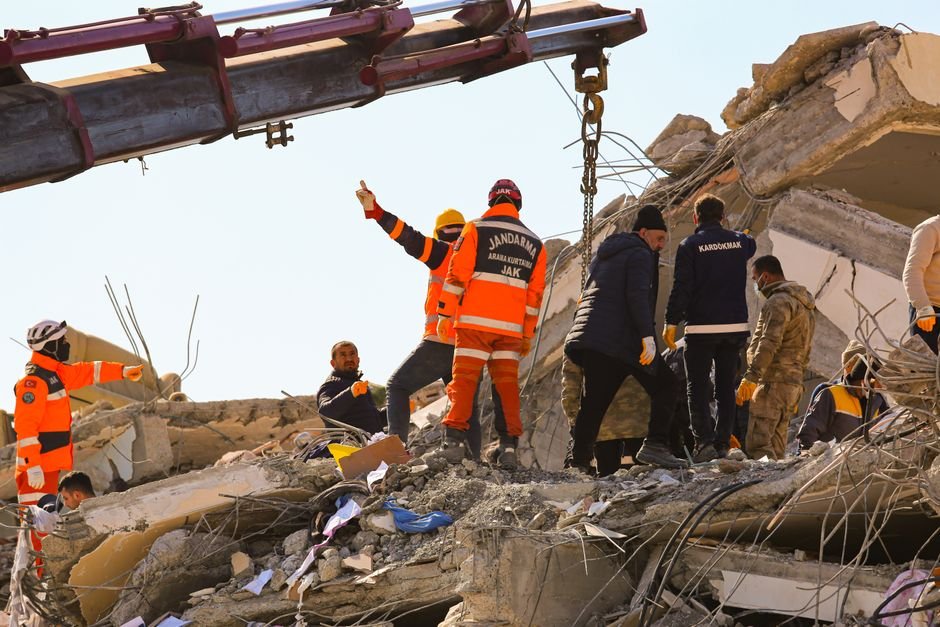
When the news cycle shifts toward a major humanitarian disaster like the Nepal flood crisis, the marketing world often freezes in a performative standoff. With death tolls climbing toward 600 and nearly 2,000 people still missing, the sheer scale of the tragedy in the Himalayan nation is a sobering reminder of how quickly infrastructure and industry can be erased. For the Indian advertising and corporate communication sector, this isn’t just a neighborly tragedy; it is a moment that demands a hard look at the thin line between authentic empathy and hollow brand activism.
Brands often scramble to post a monochromatic update on social media when disaster strikes, hoping to tick a box for social responsibility. However, the tragedy unfolding in Nepal is not a backdrop for your next engagement-focused carousel. As rescue operations struggle against mud and debris, agencies and C-suite leaders need to understand that the public is becoming increasingly allergic to ‘disaster marketing.’ When a brand jumps into a conversation about death and displacement without a concrete contribution, it doesn’t build trust; it chips away at the brand’s long-term equity. The disconnect here is glaring. While corporate social responsibility budgets are often padded with grand visions of future-proofing, the immediate, raw reality of a crisis like this exposes how unprepared most organizations are to pivot their communication strategies during human tragedy.
Looking at the logistics of the situation, the impact on regional supply chains and cross-border trade is inevitable. Marketing executives who rely on the seamless flow of goods between India and Nepal need to acknowledge that the market is currently in mourning. Trying to force a business-as-usual campaign into a space dominated by images of rescue teams and destroyed roads is not just insensitive—it is professionally illiterate. The Nepal flood crisis serves as a brutal masterclass in why ‘real’ marketing requires knowing when to stop selling. This is the moment for brands to pull back their paid media, pause their scheduled social posts, and reallocate those resources toward actual aid if they feel the urge to do anything at all.
For the advertising agencies in Delhi and Mumbai that handle regional accounts, there is a responsibility to guide clients away from the vanity of ‘being seen.’ A client insisting on a brand post about solidarity while search-and-rescue teams are still wading through waist-deep water is a client that doesn’t understand their own consumer base. Gen Z and millennial audiences have a heightened sense of smell for performative corporate virtue. If your ad spend is higher than your donation, the math is against you. It is a simple equation that many CMOs continue to fail, favoring impressions over genuine impact.
We have seen this cycle before, where brands treat weather events and natural disasters as prompts for content creation. It is time to treat these moments with the gravity they deserve. The economic fallout will take months to map, but the reputational fallout for a brand that misreads the room takes mere minutes to cement. As news continues to trickle in regarding the missing thousands, take a step back from the dashboard. Your campaign can wait. The people in Nepal, however, cannot afford the luxury of waiting for the world to notice their struggle while we debate the nuances of our next quarterly report.
Ultimately, marketing is about human connection. If your brand cannot find a way to connect through empathy without attaching a hashtag or a logo, the best move is silence. There is no creative brief that justifies competing with news footage of tragedy. The industry needs to mature beyond the urge to insert itself into every narrative. Respect the gravity of the situation, respect your audience’s intelligence, and above all, recognize that sometimes the most powerful marketing statement is a total withdrawal from the public conversation until the dust settles and the real work of recovery begins.