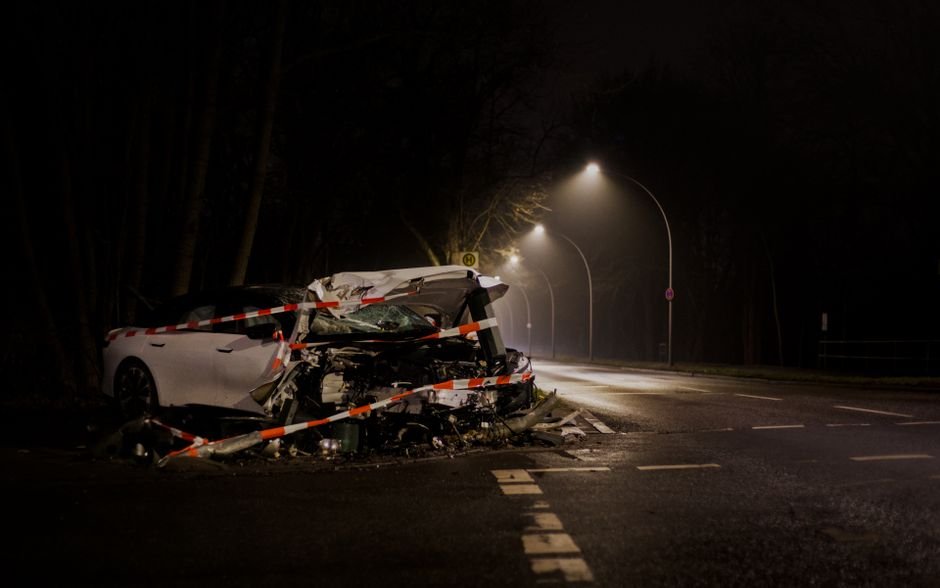
A devastating bihar road accident has once again highlighted the lethal combination of reckless driving and poorly managed public gatherings, leaving three people dead in Supaul. As the details emerge from the Kataiya Chowk incident, where a high-speed vehicle plowed into a group participating in a traditional kirtan, the marketing and media community must pause. Beyond the tragic loss of life, incidents like this serve as a stark reminder of the volatile reality of operating in regional markets where safety protocols and infrastructure often lag behind the rapid growth of consumer visibility.
For those of us working in media and advertising, this event is not just a news headline; it is a signal of the unpredictable landscape in India’s heartland. We often talk about reaching the masses through localized outreach and ground-level events, but how often do we consider the safety parameters of those activations? When brands sponsor or engage with community gatherings in regions like Bihar, the lack of crowd management and security oversight remains a glaring oversight. This specific bihar road accident occurred while people were observing a peaceful religious event, turning a moment of cultural engagement into a site of a preventable tragedy. It forces us to ask why major advertisers and planners continue to operate with a ‘growth at any cost’ mindset, ignoring the physical dangers inherent in uncontrolled public spaces.
The incident at Kataiya Chowk is reflective of a wider trend in rural and semi-urban India. As infrastructure improves, the speed of traffic increases, yet the awareness and enforcement of pedestrian safety remain decades behind. Companies are pouring budgets into rural marketing to capture the next wave of consumers, yet these campaigns rarely include robust risk assessment reports. From an industry perspective, we need to hold ourselves accountable for the environments in which we conduct our business. If a brand’s activation or a sponsored event leads to a hazardous situation, the reputation damage isn’t just a PR headache—it is a moral failure that resonates far deeper than any marketing campaign could ever address.
We have to get better at evaluating regional dynamics before dropping a campaign into a town center. High-speed traffic passing through non-designated zones is a systemic issue, but the failure to manage public safety during high-traffic community events is an operational one. This bihar road accident should be a wake-up call for agencies and brands alike to integrate safety auditing into their ground-level activations. It is not enough to just count footfall or measure engagement metrics when the physical safety of the target demographic is at risk. Real marketing requires a level of empathy and foresight that seems to have been forgotten in the race to secure rural market share.
The families of the victims in Supaul are dealing with a loss that no amount of brand communication can fix. As journalists and industry observers, we must keep the pressure on for better infrastructure and stricter enforcement of traffic laws in these regions. Marketing is not just about the message; it is about the context. If our work brings people together, we owe it to them to ensure that the environment they are gathering in is not a death trap. This tragedy is a grim milestone that exposes the disconnect between corporate growth strategies and the realities on the ground. Moving forward, the conversation needs to shift from purely digital and reach-based metrics to a more holistic, responsible approach that prioritizes human safety above all else. Ignoring the physical environment is no longer an option for anyone serious about building sustainable brands in India’s diverse and often dangerous landscape. The industry must demand safer public spaces, not just for the sake of efficient campaigns, but as a basic obligation to the communities that drive our business forward.