
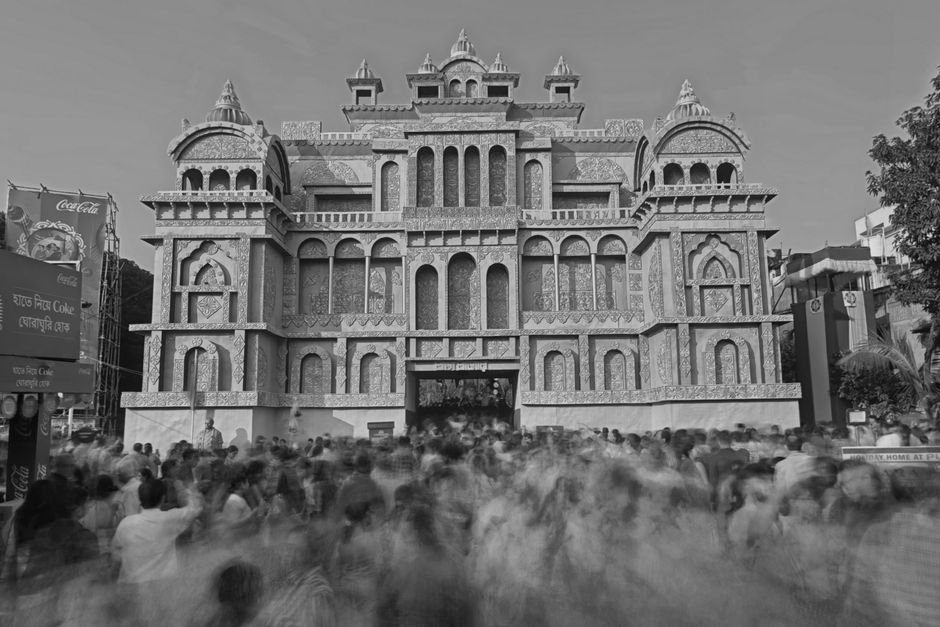
When the VHP Durga Puja guidelines emerged earlier this week, calling for a total ban on non-vegetarian food near festival pandals in West Bengal, the marketing community took notice for reasons beyond religion. At Marketing Unfiltered, we look at this not just as a socio-political directive, but as a rigid constraint on how brands—specifically food and beverage players—must navigate the hyper-sensitive festive landscape in India. While religious sentiment has always been a variable in the festive marketing mix, this move marks a shift where external organizational mandates are increasingly dictating the operational boundaries of public spaces.
For years, Durga Puja has been the crown jewel of experiential marketing in Bengal. Brands typically flood these locations with stalls, activations, and sampling campaigns. Now, the landscape is shifting. If a major cultural body sets a precedent that affects the accessibility of certain products—in this case, non-vegetarian food, a staple of the Bengali festive palate—marketers are forced to pivot their strategy mid-stream. It is no longer just about optimizing ad spends or securing high-footfall spots. It is about assessing the ‘brand safety’ of your location in real-time. If you are a QSR chain or a packaged food brand that relies on the energy of these pandals, these VHP Durga Puja guidelines introduce a level of operational friction that wasn’t there a year ago.
From a strategic standpoint, this creates a bizarre dilemma for brand managers. Do you align with the cultural mandate to ensure public harmony and maintain your brand image as ‘respectful,’ or do you push back, risking local friction and negative PR? Most brands will choose the path of least resistance, which usually means stripping non-veg items from menus near prominent pandals. This leads to a loss of revenue and a dilution of the intended customer experience, especially for brands that differentiate themselves through specific high-protein or meat-based offerings. The challenge here is the lack of consistency. When political and social organizations start acting as quasi-regulators for public retail, the predictability that marketers crave disappears. You are no longer just dealing with government health or fire safety codes; you are dealing with moral codes that can change based on the organization issuing the directive.
Let’s look at the broader impact. We are seeing an increasing trend where cultural events are being cordoned off into ‘safe zones’ that are becoming increasingly restrictive. For a brand, this means your festive activation strategy needs a serious audit. Before you sign that five-figure contract for a prime spot outside a top-tier puja committee’s pandal, you need to conduct a local sentiment analysis. Does this specific committee follow the VHP Durga Puja guidelines? Are they going to force you to pull your marketing assets if your brand is associated with meat? The cost of having to dismantle a physical stall or change your entire inventory two days before the festival is a nightmare that no marketing head wants to explain to the board.
The skepticism here is warranted. Is this a one-off, or is it a sign of a new, permanent layer of red tape? For agencies, this adds a complex, non-billable layer to their job: political risk assessment. You aren’t just an ad creative anymore; you are a diplomat. You have to ensure that your campaign isn’t just visually appealing but also ‘socially compliant’ in the eyes of whoever happens to be setting the local agenda. This isn’t just an issue for West Bengal; it is a preview of how hyper-local politics can impact national-level brand strategies. Every major festival in India now comes with a side of caution. Marketers who ignore these shifts do so at their own peril, as the fallout from a viral social media post claiming a brand ‘disrespected the festival’ is far more expensive than a temporary loss of footfall in one location. Real marketing is about managing these realities, not just ignoring them in favor of a sanitized campaign pitch. Navigating the intersection of tradition and modern retail has always been hard, but with groups issuing specific guidelines, the bar for entry has been raised significantly. Proceed with extreme caution this year.