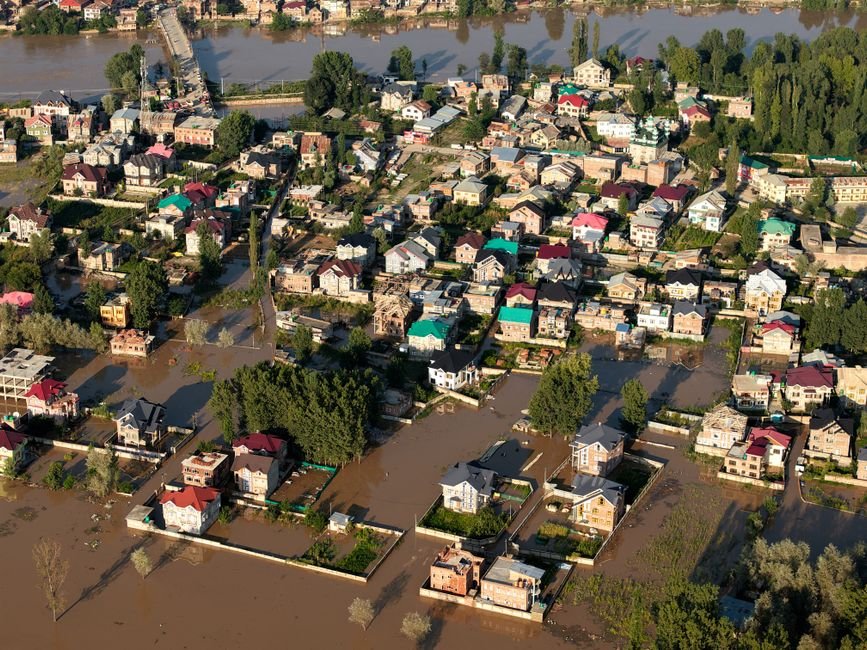
When we look at the recent Taiwan flood aftermath, most people see a tragic humanitarian crisis. As marketers and brand managers, however, we need to look past the news cycle and recognize the immediate, grinding halt it puts on the global technology supply chain. When disaster strikes a hub as critical as Taiwan, the marketing world doesn’t just lose a geographic location; it loses the literal backbone of our digital infrastructure. For an industry that relies heavily on precision-timed hardware launches, cloud computing, and consumer electronics, these climate-driven disruptions are no longer outliers. They are a permanent fixture in the risk register that your CMO probably hasn’t updated in years.
Taiwan is essentially the heart of the global semiconductor industry. When heavy rain, landslides, and flooding cripple the infrastructure of a nation that produces the vast majority of advanced chips, the ripple effect reaches your quarterly performance marketing reports faster than you might think. We are talking about the potential for delayed hardware cycles, shortages in inventory for upcoming festive season campaigns, and a frantic scramble to adjust ad spends in real-time as product availability drops off a cliff. If you are running a brand that leans on constant innovation or digital transformation, you are effectively tethered to the weather in East Asia. This is not just a climate issue; it is a fundamental marketing operations vulnerability.
Consider the typical approach to crisis communications. Usually, it is a reactive scramble. When the news hits that thousands have been evacuated and infrastructure is compromised, brand teams should be working in lockstep with supply chain leads. Yet, we rarely see this coordination. Most marketers treat their campaigns as if they exist in a vacuum, completely disconnected from the logistical reality of how their products are manufactured. The Taiwan flood aftermath serves as a harsh reminder that your brand equity is only as strong as your supply chain’s ability to withstand environmental shocks. When production lines go quiet, your high-octane launch event becomes a liability rather than an asset.
We need to stop viewing logistics as a back-office problem. In an era where digital dependencies are absolute, the supply chain is the most important part of the brand experience. If you cannot deliver the product, the best creative in the world is just noise. Marketers often obsess over vanity metrics like impressions and click-through rates, while completely ignoring the underlying volatility of the hardware that powers those platforms. We should be building “what-if” scenarios into our annual planning. What happens to our holiday spend if a key node in our supply chain is paralyzed for three weeks? How do we pivot our messaging when the product we promised is stuck in a facility impacted by severe weather?
The skepticism here is warranted. Many companies talk about resilience and sustainable operations, but very few have the agility to shift their narrative or their budgets when a disaster like this occurs. We tend to operate on a model of peak efficiency, which leaves zero room for error. When the rain starts, that efficiency turns into a single point of failure. This is why we need to move toward a more modular approach to marketing strategy. If you rely on a specific product launch to carry your fiscal year, you are essentially gambling on the weather patterns of the Asia-Pacific region. It is time for brand leaders to demand greater transparency from their manufacturing partners and integrate that data directly into their campaign timelines.
Ultimately, the marketing industry needs a reality check regarding its reliance on fragile global systems. The Taiwan flood aftermath is a clear signal that the future of brand management involves an intimate understanding of climate risk and logistical stability. We cannot keep marketing our way out of supply chain holes. Instead, we should be building brands that are resilient enough to survive when the supply lines hit a wall. Stop waiting for the storm to clear before updating your strategy; by then, the budget has already been wasted on products that are nowhere to be found. Build for the friction, or expect to lose the battle when the next major event occurs.