
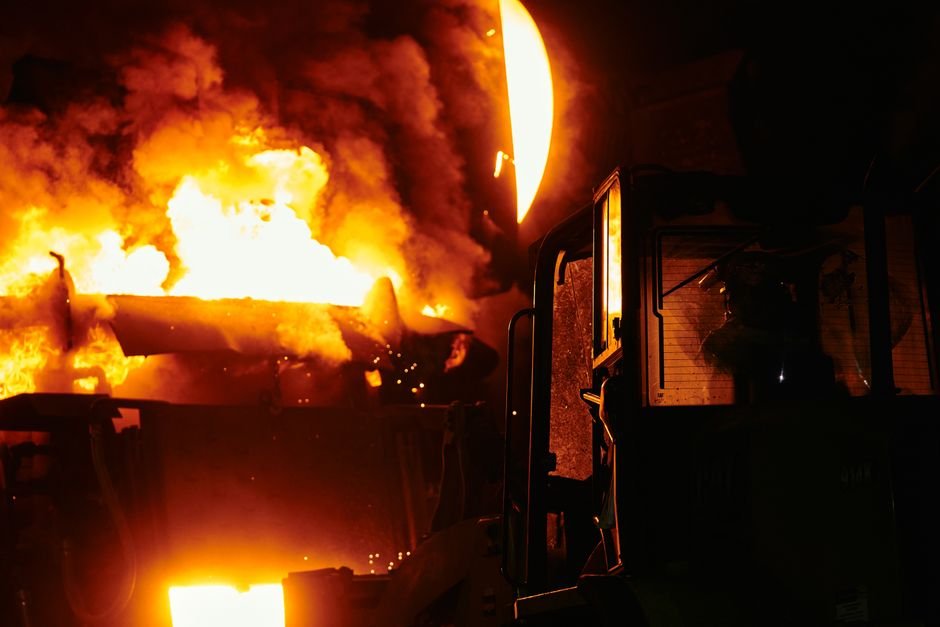
The tragic Russia gas plant fire in the Amur region has left seven dead, including six Chinese nationals, and nine others remain missing, serving as a brutal reminder of the high stakes involved in corporate crisis management. For those of us in the marketing and communications trenches, this isn’t just another international headline—it is a case study in how quickly a catastrophic industrial accident can dismantle a brand’s reputation if the communication strategy is reactive rather than proactive.
When an incident of this magnitude hits, the initial silence from a company is often interpreted as negligence. In the modern age of instant social media reporting, the gap between the event occurring and the official statement being issued is where the narrative is lost. This specific incident in Russia brings up uncomfortable questions about the safety protocols for international workforces and how effectively a firm can manage stakeholders across borders when the situation is still fluid and tragic.
For Indian agencies and corporate communications leads, this incident is a sobering reminder that we live in a connected global economy. Whether your client is a local D2C brand or a multinational conglomerate, your crisis playbook must account for the reality that the public demands transparency, empathy, and speed. When the news of the Russia gas plant fire broke, the immediate focus wasn’t just on the fire itself; it was on the loss of life, specifically the international composition of the victims. This adds a layer of diplomatic complexity to the PR response, requiring language that is not only legally sound but also culturally sensitive.
Many brands fail because they treat crisis communication as a legal exercise. They focus on minimizing liability rather than expressing genuine concern. When you look at how the Russian authorities handled the initial reports of the blaze, it is easy to see the standard government-speak that often frustrates the public. As marketers, we know that in the age of misinformation, a vacuum of information is quickly filled by rumors. A company caught in such a situation cannot afford to wait for all the data to be perfect before they issue a statement. Acknowledging the gravity of the event, confirming the company is cooperating with investigators, and prioritizing the families of the victims should always be the priority.
We have to ask ourselves: how prepared is our firm for a sudden, high-stakes catastrophe? Most agencies focus on growth hacking or viral campaigns, completely ignoring the ‘what if’ scenarios that keep CEOs awake at night. A disaster of this scale is not a marketing opportunity, but it is a litmus test for corporate culture. If your company doesn’t have a plan to handle media inquiries, internal messaging for panicked employees, and official statements that can cross international borders within hours, you are already behind the curve.
Furthermore, the reliance on foreign labor in such high-risk environments in Russia creates a specific messaging burden. You have to communicate with the victims’ families in their native language and address the concerns of their home nations’ governments. If you aren’t thinking about the logistical, ethical, and PR implications of your global supply chain, you are ignoring the most volatile aspect of brand management today. The Russia gas plant fire is more than just a tragic accident in the headlines; it is a signal that in a globalized industry, the way you respond to disaster defines your brand just as much as the quality of your product.
Ultimately, when the dust settles, the companies that survive are the ones that prioritize human safety and transparent communication over spin. We need to move away from the fluff and start building robust crisis frameworks that can handle the raw, ugly reality of industrial mishaps. This is not about SEO or marketing tactics; this is about basic human decency and professional accountability. As we watch how this story unfolds, we should all take a moment to evaluate our own crisis protocols and ensure we are ready to lead with integrity when the worst-case scenario becomes reality.