
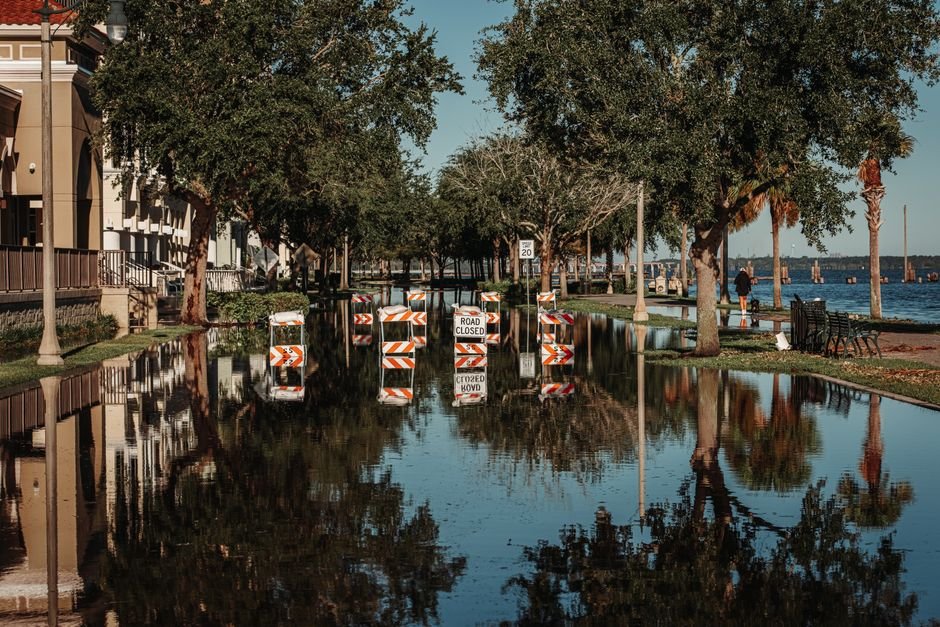
When a property worth three hundred crore rupees turns into an island during a downpour, it is not just a civic failure; it is a branding disaster of monumental proportions. The recent viral videos showcasing the aftermath of Gurugram rain waterlogging have triggered a collective groan across the real estate and marketing sectors. For a city that prides itself on being the millennium hub of India’s corporate elite, these visuals of luxury villas submerged in murky water tell a story that no glossy brochure or high-end influencer campaign can erase. When the infrastructure crumbles, the brand equity of an entire region takes a direct hit, leaving luxury developers scrambling to explain why their premium pricing doesn’t include the basic guarantee of a dry driveway. In a market where buyers pay a significant premium for the ‘Gurugram address,’ the failure to manage basic drainage systems creates a severe disconnect between the brand’s premium value proposition and the actual physical experience of the homeowner.
Marketing professionals often talk about the ‘customer experience,’ but they rarely account for the physical reality of the product once the keys are handed over. In the case of these high-net-worth properties, the dissonance between the marketing narrative—lifestyle, exclusivity, comfort—and the reality of wading through waist-deep water is profound. Potential buyers who once viewed these locations as the pinnacle of aspirational living are now forced to confront a more cynical reality. It serves as a sharp reminder that a brand’s promise is only as strong as the physical foundation it rests upon. If your marketing campaign sells a lifestyle that hinges on reliability and prestige, a flooded basement effectively voids the contract in the eyes of the consumer. When the internal amenities of a home are world-class, but the external environment is hostile, the emotional bond with the brand is irreparably severed, leading to long-term reputational damage that persists long after the water recedes.
The fallout from these viral clips isn’t limited to the specific developers involved. It spills over into the broader regional sentiment. For brands operating in the NCR, the perception of risk now becomes a tangible variable in the sales cycle. When the public sees luxury assets failing to withstand typical weather events, they lose faith in the broader urban promise. Marketing teams now have to pivot toward crisis management. They are no longer selling architecture or floor plans; they are now forced to defend the very habitability of the area. This is a difficult pivot, especially when the evidence is circulating on social media in real-time, untamed and impossible to spin. Investors and prospective residents are becoming increasingly skeptical of developer claims, often cross-referencing past monsoon performance before signing a contract. This shift in buyer behavior forces marketing departments to contend with a new reality where geographical vulnerability is just as important as proximity to business districts.
Transparency becomes the only currency that retains any value in these moments. Trying to hide the impact of Gurugram rain waterlogging through aggressive PR campaigns or by burying negative sentiment online is a losing game. Consumers today are far too tech-savvy and cynical to fall for curated narratives when their screens are filled with raw, unedited footage of the devastation. Real estate firms would be better served by acknowledging the structural shortcomings and outlining concrete, long-term solutions, rather than pretending that the rains were an unforeseen anomaly. In the world of high-stakes marketing, honesty—no matter how painful—is the only way to retain any semblance of professional credibility. By proactively sharing drainage mitigation plans or infrastructure upgrades, brands can move from a defensive posture to a consultative one, demonstrating a genuine commitment to the long-term viability of their developments.
Furthermore, this situation highlights the dangers of over-promising and under-delivering on infrastructure. Brands that focused their messaging solely on the luxury aspect while neglecting to highlight the actual urban planning and drainage systems are now paying the price. This serves as a cautionary tale for marketers across all sectors. If your product’s success is dependent on external factors outside your direct control, you must account for those risks in your communication strategy. You cannot market an island of paradise if the surrounding sea is destined to flood the living room. Modern marketing requires a holistic view that acknowledges the environmental context in which a product operates. Moving forward, the most successful brands will be those that integrate realistic risk assessment into their marketing strategy, ensuring that they don’t just sell a dream, but a resilient, sustainable reality that can withstand the harshest of critiques and the most intense of monsoon seasons.