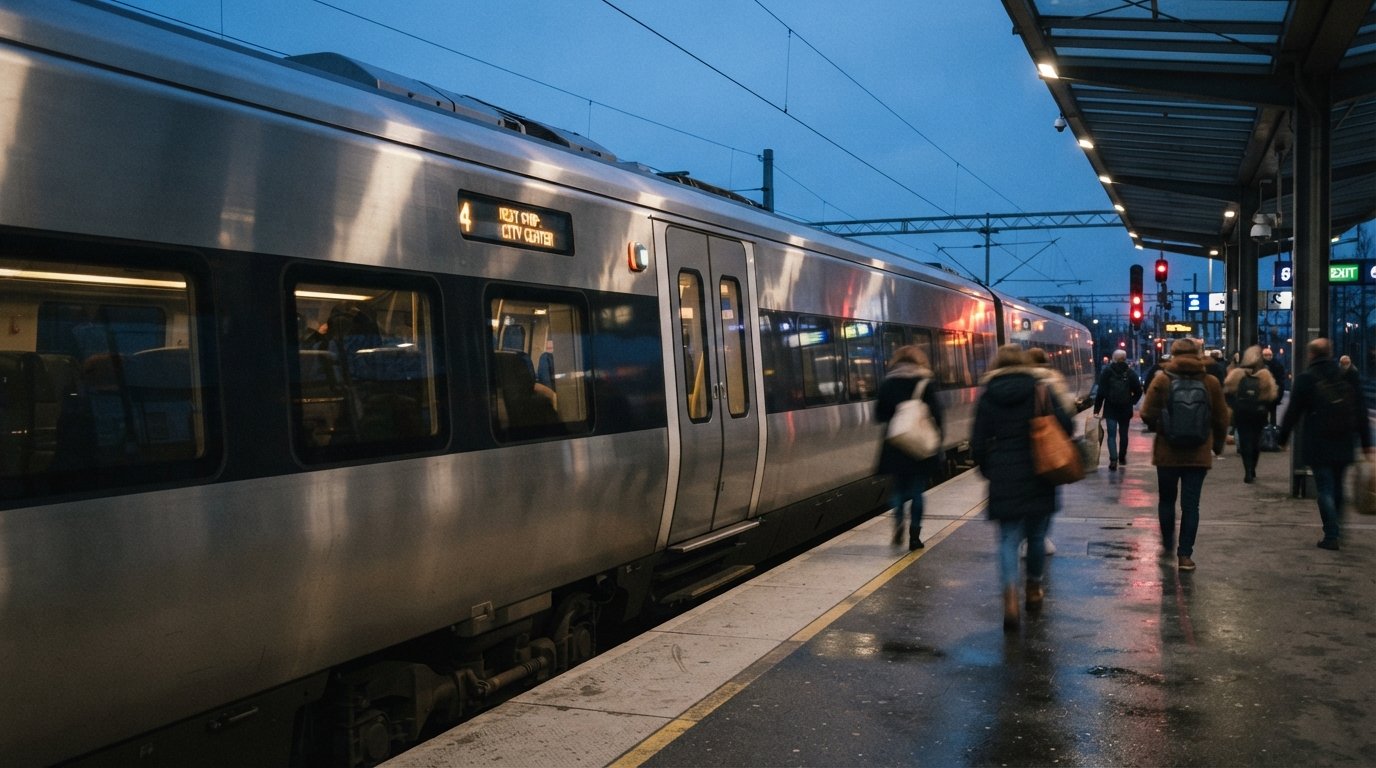
When the Vande Bharat Express became the target of a stone-pelting incident near Surat, it wasn’t just a law-and-order issue; it was a masterclass in how physical infrastructure challenges can mutate into a full-blown reputation crisis. With Uttar Pradesh Governor Anandiben Patel on board, the stakes shifted from a routine operational hiccup to a high-profile media narrative. For the rail industry and the government, this is a glaring reminder that no amount of premium branding can insulate a product from the chaotic reality of the Indian consumer landscape. When your product is a flagship service marketed on speed and luxury, every dent—literally—is magnified under the public microscope.
The incident reminds us that in the world of high-stakes service delivery, the gap between the brand promise and the ground reality is where reputation lives or dies. The Vande Bharat Express is positioned as the gold standard of modern Indian rail travel. It represents an aspiration. However, when incidents like stone-pelting occur repeatedly, the narrative risks shifting from ‘technological marvel’ to ‘vulnerable target.’ From a communications standpoint, this is a dangerous slide. Brands spend millions crafting a narrative of progress, yet a single viral video of a cracked window frame can undo months of positive positioning. This is where the intersection of PR and operations becomes non-negotiable.
We have seen similar dynamics across the aviation and tech sectors. When a premium service fails to deliver on the ‘safety’ and ‘reliability’ pillars of its brand architecture, the fallout is rarely contained to the operational department. It hits the C-suite and the corporate communications team almost instantly. The presence of a high-ranking official like Anandiben Patel on this specific train meant the media cycle was pre-loaded. It moved from a local news snippet in Gujarat to a national headline in minutes. For marketing professionals, this highlights a critical blind spot: the failure to account for external environmental risks in the brand story. You cannot market a product as a sleek, bullet-like marvel while ignoring the realities of the tracks it travels on.
What should a brand do when its flagship product becomes the headline for the wrong reasons? First, stop the defensive posturing. The typical corporate response is a dry, procedural statement about security measures and investigations. That is bureaucratic, not human. It does nothing to soothe the anxiety of the everyday commuter who sees the image of a shattered train window and wonders if their next trip will be equally chaotic. Authentic crisis management requires acknowledging the reality while doubling down on the solution. It is not enough to say, ‘We are investigating.’ It is essential to explain how the infrastructure itself is being hardened to ensure that the passenger experience remains superior, regardless of external interference.
Furthermore, this incident highlights the fragility of national prestige branding. When a project is tied so closely to national identity and political achievement, any negative headline is treated as a hit on the brand’s core values. Marketing teams often overlook the long-term emotional impact of these incidents. If a passenger keeps seeing news reports about damaged windows, the psychological barrier to booking a ticket starts to build. It creates a ‘brand vulnerability’ that competitors—or even rival modes of transport like budget airlines—can exploit in their own messaging. The goal should be to pivot the conversation back to the passenger’s comfort and the project’s resilience, rather than letting the ‘vulnerable asset’ tag take hold.
The takeaway for any organization managing a high-visibility, public-facing asset is simple: you are only as good as the weakest point of your service delivery. If you market luxury, you must guarantee safety. If you market speed, you must guarantee consistency. The stone-pelting incidents underscore that while the train technology may be world-class, the environment it operates in is far more complex. Modern brands must stop compartmentalizing these issues. You cannot maintain a glossy, premium brand identity if the public reality contradicts it repeatedly. The next time a high-profile figure boards a flagship service, the PR team should be just as prepared as the security detail. After all, the cost of a damaged reputation far exceeds the cost of replacing a glass panel.