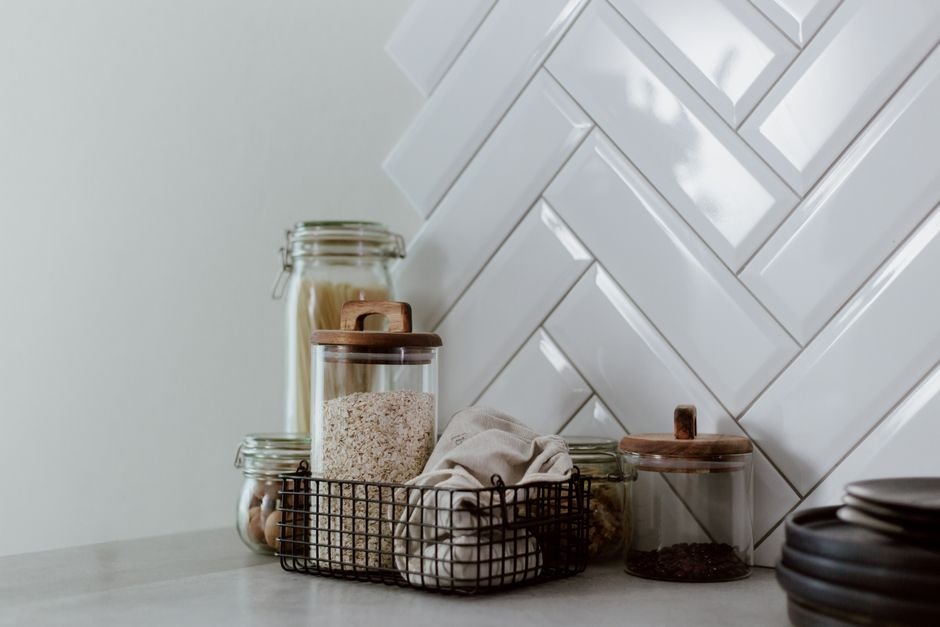
When you finish that jar of artisanal pickles or high-end organic jam, do you toss it in the bin? For the average urban Indian household, the answer is usually no. We find ways to reuse empty glass jars because, let’s face it, they are built to last. While this might seem like a simple domestic hack, it represents a massive shift in consumer psychology that D2C brands ignore at their own peril. We aren’t just talking about a DIY project; we are talking about the lifecycle of your packaging becoming an extension of your brand identity in the customer’s home.
The current trend of upcycling glass isn’t just about thriftiness. It is about an aesthetic preference for tactile, premium materials over flimsy plastic. When a consumer uses your product packaging to hold their artisanal spices, stationery, or bathroom essentials, they are essentially providing you with prime real estate in their personal space. Brands that design their jars with a second life in mind are winning the war for brand recall. If your label peels off cleanly and the glass quality is sturdy, that jar stays on the counter for years. Every time they reach for their sea salt or coffee grounds, they see the silhouette of your product, even if the label is gone.
Marketing isn’t just about the first sale. It is about the long-tail influence that happens after the product is consumed. Many brands spend thousands on social media ads to gain a second of attention, yet they overlook the fact that their packaging can act as a permanent, non-intrusive reminder of their brand. The move to reuse empty glass jars is a silent endorsement. It signals that your brand values quality and durability, two traits that build immense trust in a market saturated with cheap, single-use alternatives. When a customer finds a clever hack to turn a jar into a desktop organizer or a small herb planter, they often share it on Instagram. That is organic user-generated content that money cannot buy.
Look at the shift in the D2C landscape. We are seeing a move toward minimalist aesthetics where the packaging is the hero. If your jar looks like something a person would actually want to keep, you have successfully extended your marketing funnel. However, many companies still use permanent adhesive labels that leave a sticky residue, essentially killing the jar’s potential for reuse. This is a missed opportunity. Making your branding easy to remove—or even making it look better once the label is gone—is a clever, low-cost way to ensure your brand remains part of the household fabric.
The environmental angle is impossible to ignore as well. Gen Z and Millennial consumers are hyper-aware of their carbon footprint. When they reuse empty glass jars, they feel a sense of contribution to a circular economy. Aligning your brand with this mindset isn’t greenwashing; it is practical utility. If your brand story emphasizes sustainability, your packaging design must support that claim. A high-quality glass container that can be repurposed in the bathroom or the kitchen garden proves that you walk the talk. It separates your product from the clutter of disposable plastics that eventually clutter our landfills.
Finally, we need to stop thinking of packaging as a sunk cost that gets thrown away. It is an investment in brand longevity. The next time you sit down to finalize a design brief, ask yourself: does this container have a future? Does it encourage the user to keep it around? If the answer is no, you are essentially throwing away a long-term billboard in your customer’s kitchen. Creating a product that is worth keeping is the ultimate form of customer loyalty. By embracing the consumer’s habit of upcycling, you turn a simple kitchen necessity into a piece of home decor that keeps your brand alive long after the last drop of jam is gone.