
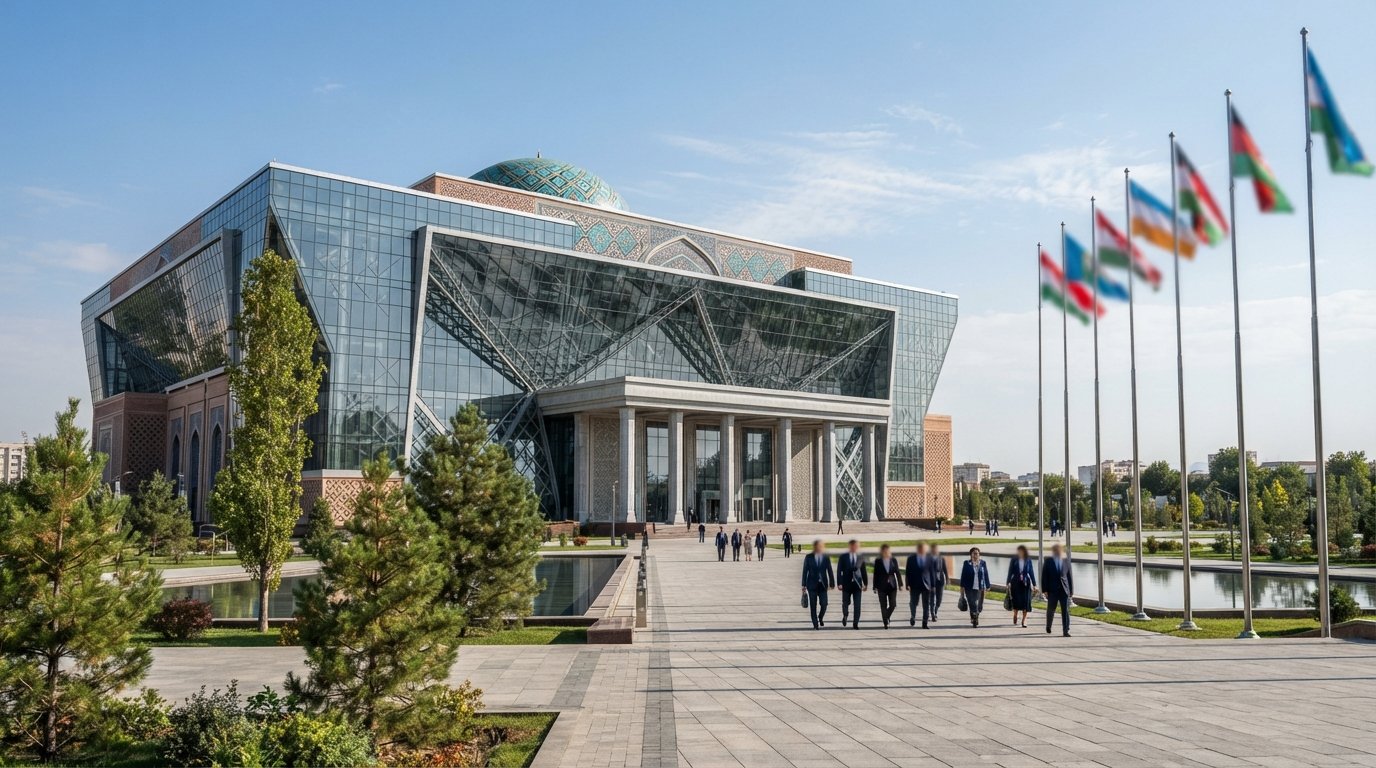
When we talk about brand positioning, we often look at the balance sheet or the product-market fit. But for a nation, the PM Modi Uzbekistan visit represents the ultimate masterclass in soft power marketing. As the Prime Minister participates in yoga programs and high-level bilateral meetings in Tashkent, he isn’t just attending a diplomatic summit. He is executing a carefully curated content strategy that exports Indian culture as a premium, global product.
For the average marketing professional in India, looking at this trip through the lens of pure politics is a mistake. This is about brand equity. When global leaders engage with India’s cultural exports—like yoga, which is now a multi-billion dollar wellness industry—the perceived value of the ‘India’ brand rises significantly. This isn’t accidental. It’s a deliberate effort to create an emotional touchpoint that transcends standard trade agreements. In the world of diplomacy, this is essentially an influencer campaign where the product is a nation-state and the audience is the global geopolitical establishment.
The scheduling of these interactions, combined with the visuals of the PM Modi Uzbekistan visit, creates a narrative of stability and cultural leadership. Marketing agencies often struggle to humanize a brand, but here, the strategy is to attach the personality of the leader to the core values of the nation. By aligning the Prime Minister with universal themes like wellness and health during his time abroad, the government is effectively performing a brand audit for India on the world stage. They are showing that India is not just a manufacturing hub or an IT outsourcing destination; it is a source of ancient, valuable wisdom.
From an advertising perspective, the timing is everything. The SCO summit serves as the perfect platform to amplify this message. Just as a D2C brand would leverage a viral moment to drive organic traffic, the state is using these high-visibility events to capture the attention of international media. The takeaway for Indian marketers is simple: consistency in the narrative matters more than the medium. Whether you are selling tech services or FMCG products, the ability to weave a cohesive story around your brand’s core pillars—in this case, India’s historical and cultural heritage—is what builds long-term authority.
Skeptics might argue that these displays are purely performative. They aren’t wrong, but in the attention economy, performance is the product. The PM Modi Uzbekistan visit is a high-stakes campaign where the conversion isn’t a sale, but influence. By participating in local cultural practices in Tashkent, the PM is practicing a form of localized brand adaptation. He is proving that the ‘India’ brand can scale globally by integrating into local contexts while keeping its unique identity intact. This is the same logic used by global brands when they launch region-specific campaigns to gain trust in new markets.
For those of us working in the trenches of Indian advertising, there is a lesson here about consistency and messaging. The government has spent years refining the ‘Yoga’ narrative globally, and now they are using that established equity to pivot toward deeper bilateral discussions. It is a funnel approach. They build awareness through cultural events, establish consideration through high-level meetings, and drive conversion through strategic agreements. It is clean, it is disciplined, and it is entirely devoid of the clutter that plagues many modern brand campaigns.
As the summit progresses, keep an eye on how these images are consumed back home. The feedback loop between international perception and domestic optics is a crucial part of the strategy. It reinforces the brand value to the internal stakeholder—the Indian consumer—making them feel that their nation is a global player. It is a self-reinforcing cycle of brand validation that keeps the sentiment high. Marketing, at its core, is the art of perception management, and this visit is a textbook execution of that principle on the grandest possible scale. Whether it leads to concrete economic gains remains to be seen, but in the realm of perception, the campaign is already hitting all its KPIs.