
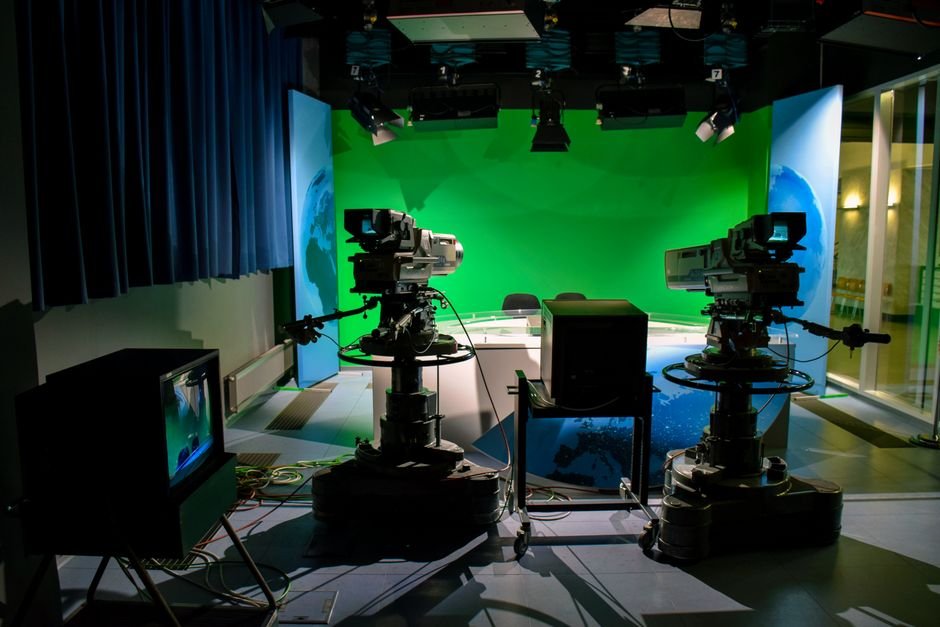
In the high-stakes theater of Brazilian elections, Lula and the Bolsonaro camp are proving that free TV ads remain the heavyweight champion of political reach, regardless of how much noise is being made on social media. While global marketing trends push for hyper-targeted digital spend, this pivot back to traditional broadcast media in South America offers a masterclass in reach-based strategy that Indian marketers should pay close attention to. When the goal is mass mobilization across a vast, heterogeneous geography, the broadcast signal remains the only medium with the sheer scale to penetrate every corner of a nation simultaneously.
The mechanics of the Brazilian campaign are straightforward but brutal. Candidates are granted government-mandated blocks of time to dominate the airwaves. In an environment where digital echo chambers often alienate as much as they inform, these slots act as a mandatory town square. This is not about the precision-targeted programmatic ads that define modern performance marketing. Instead, it is about the blunt-force trauma of brand awareness. For the voter in a remote village or a sprawling urban favela, the television screen is the definitive source of truth. It carries a gravitas that a scrolling feed simply cannot replicate.
For Indian advertisers, the lesson is clear: don’t let the obsession with digital ROI blind you to the enduring power of the masses. India, much like Brazil, is a market of immense diversity where digital penetration is high, but broadcast reach is near-universal. We often mock television as a dying medium for the legacy set, yet brands that pivot entirely to digital often find themselves hitting a ceiling in terms of total addressable market. The Brazilian move shows that even in a polarized environment, winning an election—or a market share battle—requires you to speak to the people who aren’t constantly staring at their smartphones.
Look at the strategy behind these spots. They aren’t trying to be clever or viral; they are designed to be omnipresent. They rely on high-frequency repetition and emotional archetypes. It is the textbook definition of top-of-funnel dominance. By capturing the broadcast windows, these campaigns are essentially renting the attention of millions who are otherwise unreachable through sophisticated tracking pixels. The sheer cost-efficiency of this reach, when measured against the equivalent digital ad spend required to achieve similar frequency, is staggering. In a landscape where consumer attention is increasingly fragmented, the ability to command a collective viewing experience is a luxury that few brands can afford, yet many ignore at their own peril.
There is a distinct skepticism brewing among digital purists who think these moves are archaic. They would argue that if you aren’t tracking every click, you aren’t doing marketing. But politics has a way of stripping away the fluff of modern advertising. When you need to move the needle on a national scale in record time, you don’t experiment with obscure influencer campaigns or complex attribution models. You go where the people are. You go to the TV and the radio. It is a tactical decision rooted in cold, hard reality rather than the vanity metrics that clog up our industry reports.
As we watch these campaigns unfold, it serves as a necessary reality check for every brand manager in Mumbai or Delhi. Digital is for conversion and engagement, yes, but mass-market dominance is still fought on the screens that sit in the living rooms of the working class. If a political giant can pivot to traditional media to win an election, perhaps it is time for consumer brands to re-evaluate their media mix. The next time you find yourself debating the virtues of a niche social media play, consider the cost of ignoring the massive, quiet majority that is still listening to the radio and watching the evening news. Sometimes, the most disruptive marketing strategy is the one that has been around for decades.