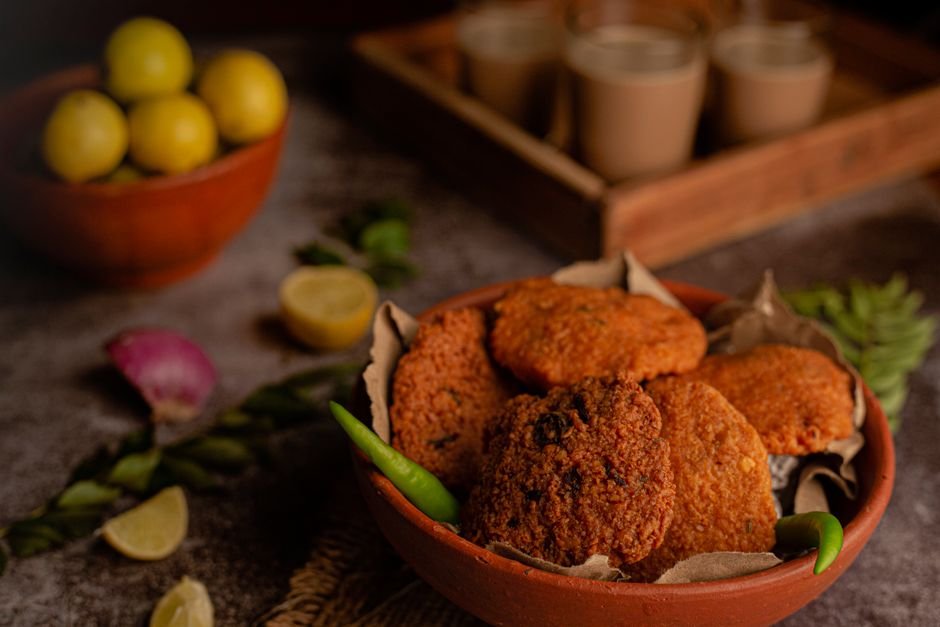
When consumers start searching for a homemade besan recipe, they aren’t just looking for culinary instructions; they are signaling a deep-seated distrust in mass-market food processing. This shift toward kitchen-made staples is a wake-up call for every brand operating in the D2C space. The obsession with purity, sparked by reports of adulterated store-bought gram flour, has turned a simple household task into a badge of authenticity. For marketers, this represents more than just a lifestyle shift; it is a fundamental challenge to the ‘convenience at any cost’ model that has dominated the retail landscape for decades.
We often talk about brand trust as if it is something that can be manufactured through slick ad campaigns and influencer partnerships. But in the current climate, trust is built in the pantry. When someone grinds their own chana dal to make flour, they are opting out of the supply chain entirely. They are rejecting the mystery of ‘added ingredients’ and ‘preservatives’ that often hide behind the thin veil of industry regulation. The trend toward a homemade besan recipe proves that transparency is no longer a luxury feature for a brand—it is the baseline requirement. If you cannot explain your processing method clearly, you are effectively pushing your customers toward their own grinders and food processors.
Consider the marketing implications of this trend. If consumers are actively seeking ways to DIY their groceries, traditional FMCG brands are losing their competitive advantage of convenience. When the gap between ‘good enough’ store-bought quality and the ‘superior’ homemade version widens, the perceived value of processed products plummets. I have watched numerous D2C startups attempt to capture this sentiment by slapping the word ‘natural’ or ‘unprocessed’ on their packaging. However, when the consumer can produce a higher quality output at home with minimal effort, those labels start to feel hollow. Real marketing in 2024 requires proof, not just label claims.
This movement is not limited to food. We see it in the skincare sector with the rise of DIY masks, and in the home cleaning space where vinegar and baking soda are replacing expensive chemical cocktails. The underlying psychology is constant: control. The modern consumer wants to control what touches their skin and what enters their body. A homemade besan recipe serves as a perfect proxy for this broader cultural movement. People are finding empowerment in raw ingredients. If a brand wants to stay relevant, they must move away from hiding their supply chains and toward showcasing them with pride. If you are sourcing your chickpeas from a specific region, tell the story of that soil. If your milling process is gentle to retain nutritional value, show the machinery and the process in high-definition video.
I am skeptical of brands that try to ‘hustle’ their way through this trend with superficial content. Posting a recipe for besan on your company blog does not solve the underlying issue of product quality. If your market research shows that customers are looking for homemade alternatives, your product development team should be working on improving your commercial product, not just your SEO strategy. Use the insight to innovate. Create smaller, batch-produced lines that replicate the freshness of a home grind. Use packaging that emphasizes the singular origin of the dal used. The goal should be to bridge the gap between industrial efficiency and the soul of home cooking.
Ultimately, the marketing lesson here is that consumers will always prioritize their health and the quality of their food over brand loyalty. If you make it easy for them to choose their own kitchen over your retail presence, they will do it every single time. The surge in searches for a homemade besan recipe is not a passing fad; it is a clear mandate for radical honesty in our industry. It is time to stop masking the industrial nature of mass production with clever taglines and start offering products that genuinely compete with the purity of what a person can make with their own two hands. We have to stop selling the sizzle and start caring about the quality of the raw ingredient, or we will soon find ourselves with empty shelves and even emptier brand equity.