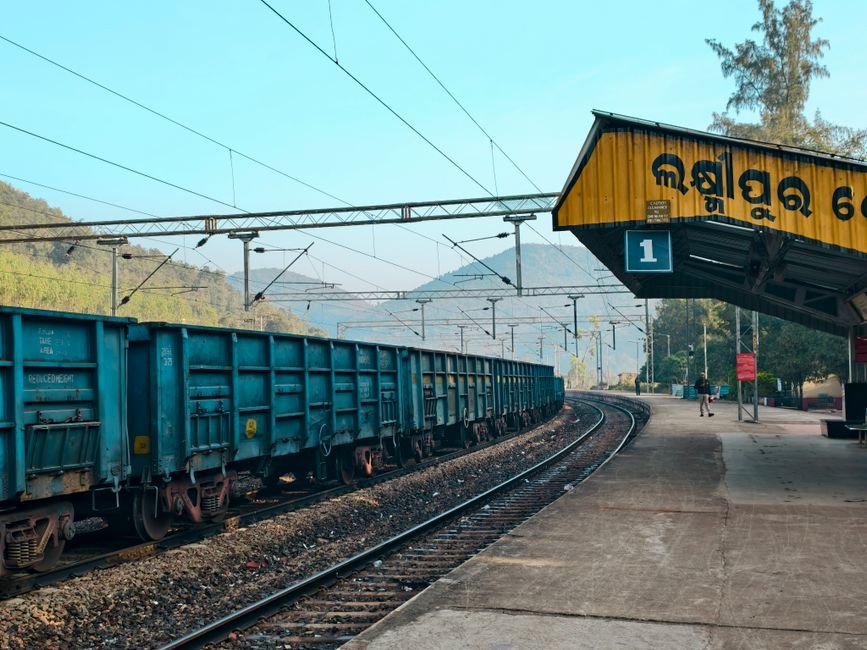
When you stand at the edge of the platform at Jogbani, you are staring at the last railway station in India that connects directly to the open, porous border with Nepal. While most of us in the marketing world obsess over digital infrastructure and high-speed data transmission, there is a gritty, physical reality here that proves geography is still the ultimate form of brand placement. In a country that is rapidly digitizing, Jogbani stands as a reminder that the physical ‘point of sale’—or in this case, the point of departure—remains a powerful, untapped touchpoint for brands looking to penetrate the rural and cross-border trade markets.
Marketing professionals often overlook the significance of border towns. We tend to focus on the Tier 1 metros where the digital penetration is high and the ad-buying algorithms are optimized for urban consumers. But look at Jogbani. It is a transit hub where thousands of people cross into Nepal every single day. For a FMCG brand or a logistics company, this is not just a station; it is a live, high-traffic experiential zone. The commuters passing through aren’t looking at banner ads on social media; they are reacting to the physical environment. The branding opportunity here isn’t about impressions or clicks; it is about presence in a space where the movement of people is constant and purposeful.
The infrastructure at this last railway station is sparse, yet it holds a unique emotional and commercial value. It creates a psychological bridge between two nations. Brands that can align themselves with this feeling of ‘connectivity’—the ease of travel, the familiarity of products on both sides of the border—will naturally win the trust of these localized demographics. When you travel through this region, you notice that global brands often treat these stations like secondary markets, slapping up a generic poster and calling it a day. That is a mistake. There is an immense opportunity for regional, vernacular marketing that speaks directly to the daily, practical needs of the cross-border traveler.
Let’s talk about the logistics of engagement. In areas near the border, mobile connectivity can be spotty, and digital ads lose their efficacy. This is where OOH (Out-of-Home) advertising finds its second wind. A well-placed billboard or an interactive kiosk at a station like Jogbani does more work than a thousand Instagram stories aimed at a target audience in Mumbai. It becomes a landmark. It becomes part of the travel experience. For companies looking to expand their footprint in Bihar and beyond, the strategy should shift from ‘digital-first’ to ‘context-first.’ You need to be where the feet are, not just where the screens are.
Furthermore, there is a skepticism we must maintain regarding the ‘all-digital’ narrative. We are told that every consumer is reachable through a smartphone. But at a border crossing where documentation, luggage, and physical transit take precedence over scrolling, the smartphone is not always the primary focus. If your marketing campaign relies solely on the internet, you are effectively invisible to a huge portion of the border-crossing population. Jogbani serves as a classic case study of why physical presence in transit zones provides a competitive advantage that can’t be replicated by algorithms. The station is a living, breathing marketplace, and the brands that ignore the physical reality of such places are leaving significant market share on the table.
Ultimately, the value of the last railway station isn’t just in its geographical limit. It is in the concentrated, captive audience that flows through it daily. If you are a brand strategist trying to capture the pulse of emerging markets, stop staring at your dashboard. Go to the physical boundary lines. See how people move, what they carry, and where they pause. That is where you will find the real, unfiltered market insights that the data will never tell you. Success in these regions requires grit, a physical presence, and a deep understanding of the border-town dynamic that digital tools currently fail to capture. It’s time to move beyond the screen and get on the ground where the real commerce happens.