When the monsoon hits, the panic isn’t just about traffic jams or waterlogged streets; it is about the sudden, terrifying discovery of snakes in cars. We have all seen the viral videos—a Cobra coiled behind a car battery or a Rat Snake lounging in a toilet bowl. While these clips drive engagement on social media, they highlight a very real, primal fear that brands and urban planners often overlook when designing our living and commuting spaces. As urban sprawl eats into natural habitats, the monsoon forces displaced reptiles to seek refuge in the one place they shouldn’t be: our mechanical and domestic sanctuaries.
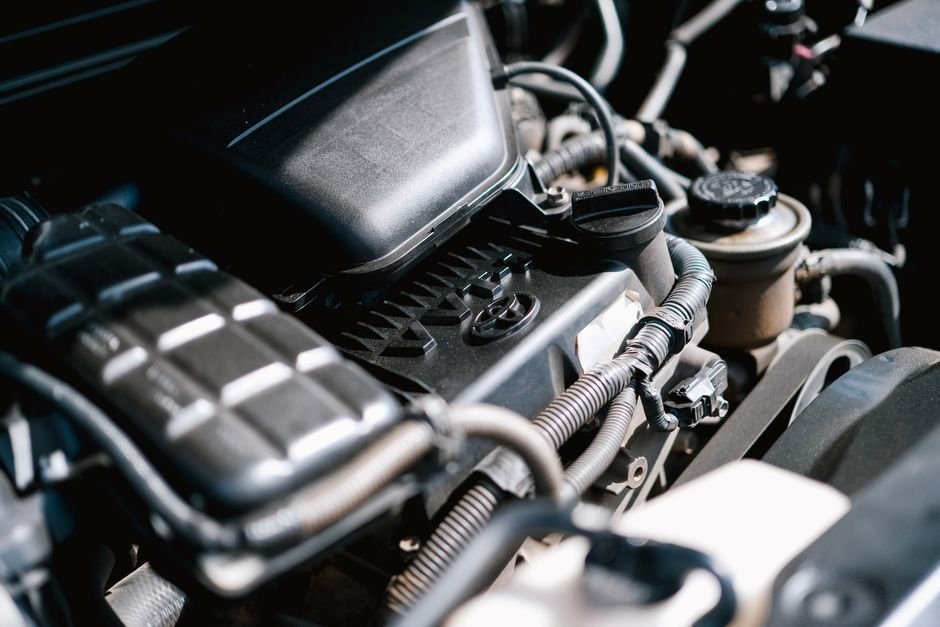
The science is simple, even if the situation feels like a horror movie. Snakes are ectothermic, meaning they rely on their environment to regulate body heat. During heavy downpours, their burrows flood. When the ground turns into a swamp, a warm, dry engine block or the sheltered underside of a scooter becomes the ultimate five-star resort. The heat retained by a car engine long after the ignition is turned off acts as a thermal magnet for these creatures. It is not an attack; it is a desperate search for a dry, stable temperature zone. This behavior is a direct consequence of habitat loss, yet most of us treat it as a freak accident rather than an inevitable environmental crossover.
For the average marketing professional or commuter living in cities like Mumbai, Pune, or Bengaluru, this is a lesson in environment-aware design. If you are a vehicle manufacturer or a garage owner, there is a massive opportunity here to address consumer anxiety. Why aren’t we talking about better engine bay sealing or rodent-proof cabling that also prevents reptilian intrusion? Most consumers are currently left to fend for themselves with folklore-based remedies like naphthalene balls, which are scientifically ineffective and environmentally damaging. The market is wide open for a credible, non-toxic solution that keeps our vehicles and homes secure without turning every rainy day into a search-and-rescue mission.
We also need to look at the architectural side of this issue. Modern plumbing, while advanced, often lacks the specialized drainage traps that prevent snakes from navigating through pipe networks. When a household sees snakes in cars or toilets, the instinct is often to reach for a heavy stick. This lack of awareness drives an unnecessary conflict between humans and wildlife. Brands in the home-improvement and security sector are missing a beat. There is a glaring lack of consumer education on how to proof a home against monsoon-driven wildlife migration. Providing actual, actionable advice rather than just clickbait headlines about how to catch a snake would build immense trust with the urban demographic.
Beyond the panic, the trend of snakes in cars during the monsoon serves as a grim indicator of how disconnected we have become from our local ecology. We paved over their homes and now complain when they seek shelter in our parking lots. This is a behavioral shift that demands better urban planning and more responsible product engineering. If you own a scooter or a car, your best bet remains vigilance—checking the wheels, keeping the hood clear of debris, and ensuring your parking area is well-lit and free of dark, damp corners that mimic their natural burrows. Stop waiting for the government or a miracle; take the initiative to pest-proof your own space because the monsoon is here to stay, and so are the uninvited guests.
Ultimately, the way we handle these encounters says a lot about our maturity as a city-dwelling society. If we continue to view these incidents as merely fodder for viral clips, we ignore the underlying environmental failure. Brands that take a stand by offering genuine, eco-friendly solutions for wildlife exclusion will likely see higher loyalty than those merely pushing the status quo. It is time to stop reacting to the shock and start designing for the reality of our shared urban ecosystem. After all, the next time you hear a rustle under your car hood, you will realize that simple engineering fixes could have saved you a heart-stopping moment in the middle of a monsoon downpour.